
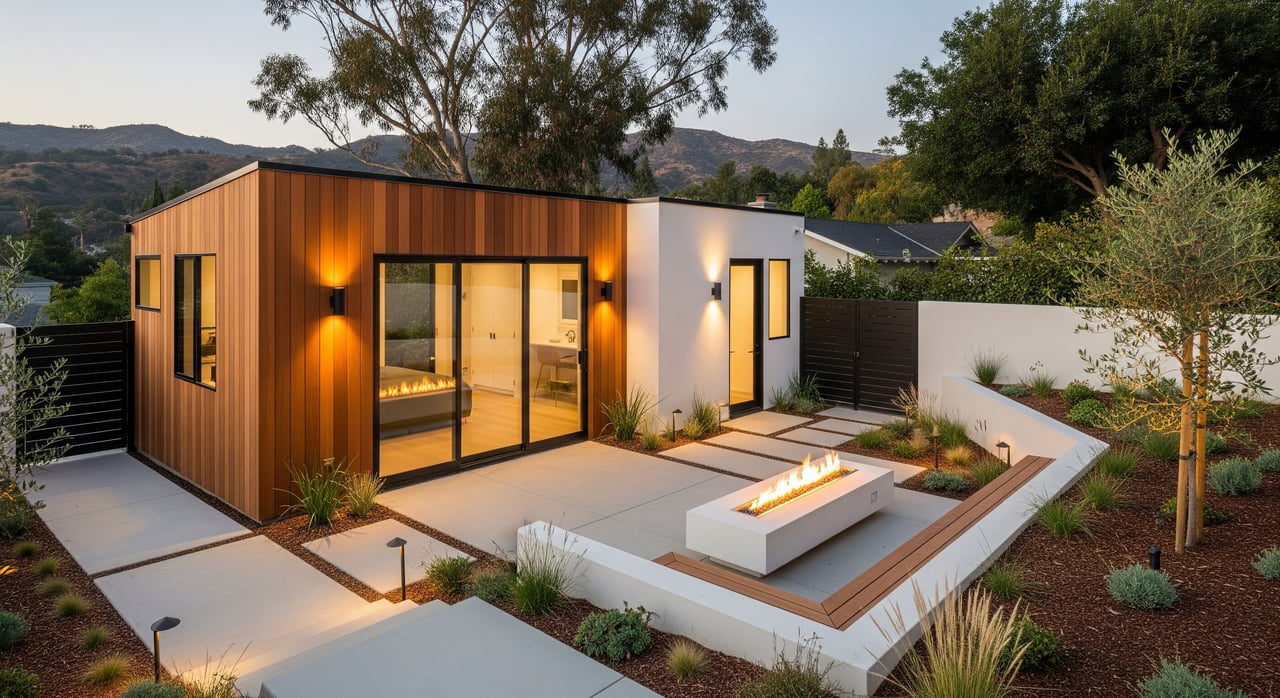
Thinking about adding an ADU in Beachwood Canyon to boost rental income or flexibility at home? You are not alone. The canyon’s charm and strong demand make ADUs appealing, but steep lots, fire-zone rules, and access constraints can complicate the plan. This guide gives you a clear view of feasibility, parking, hillside and fire requirements, how pre-approved plans work here, and the steps to take before you commit capital. Let’s dive in.
Beachwood Canyon ADU basics
California law makes it easier to add ADUs and JADUs through a mostly ministerial process, which limits discretionary denials. In Los Angeles, the City applies those state rules while layering in local standards for size, setbacks, and height. Local overlays like hillside, fire zones, and historic resources still shape what is possible on your specific parcel. You will want to confirm how state protections apply to your lot and which local overlays are in play.
ADUs can be detached, attached, or conversions of existing spaces like garages and basements. JADUs are smaller interior units created within an existing single-family home, typically with shared utilities and a compact footprint. Both can add value and flexibility, but the right path depends on your lot, slope, and access.
Zoning and lot specifics
Start with your base zoning to understand what types of ADUs are allowed and where they can sit. In Los Angeles, single-family and multi-family zones allow ADUs under state law, but local rules set objective standards for setbacks, height, and maximum sizes. Narrow, irregular Beachwood lots can make placement challenging even when zoning seems permissive. A quick zoning check helps set expectations before you invest in plans.
Hillside and slope rules
Beachwood Canyon is in the Hollywood Hills, where hillside and Baseline Hillside regulations are common. Expect a geotechnical report, engineered foundations, and careful control of grading, cut and fill, and retaining walls. Designs may need to step or terrace to reduce slope disturbance and erosion risk. These requirements add cost and time, and can make a simple slab-on-grade solution impractical.
Key takeaway: Hillside engineering is often the single biggest driver of ADU complexity and cost in Beachwood Canyon.
Fire zone and LAFD access
Many Beachwood parcels fall within mapped Fire Hazard Severity Zones. If yours does, you may need fire-resistant exterior materials, non-combustible roofing, and strict brush clearance to maintain defensible space. LAFD access rules can also affect feasibility, including roadway width, turnarounds, and overhead clearance for emergency vehicles. On steep, narrow streets, access and staging can limit where a detached ADU can go or how construction proceeds.
If your project falls under wildfire construction standards, plan on additional detailing and inspections. Early coordination on access and water supply helps avoid redesigns later.
Parking rules in Beachwood
State ADU law limits when cities can require off-street parking for ADUs. In many cases, parking is waived if the property meets certain criteria, including proximity to transit corridors. Garage conversions to ADUs typically do not require replacement parking. That said, parcels outside transit-served areas may still be expected to provide one stall based on local standards. Confirm whether your address qualifies for parking exemptions, and plan accordingly if it does not.
Size, setbacks, and placement
Local rules set maximum sizes and placement for ADUs, with different standards for detached, attached, and conversion types. JADUs are interior by design and typically limited to a small footprint that uses existing utilities, which often makes them the most straightforward option. Detached ADUs must meet rear and side yard setbacks and height limits, which can be tight on small or sloped lots. In Beachwood Canyon, the usable building area is often reduced by slope, retaining walls, and access paths.
If your goal is rental income, a conversion or JADU may deliver a faster, lower-cost path with fewer site-work surprises. For larger detached units, plan for additional engineering, foundations, and fire-hardening measures.
Pre-approved plans: what works here
Pre-approved and standard ADU plans can cut design costs and speed approvals on flat, standard lots. In Beachwood Canyon, those plans are best treated as a starting template. Most assume conventional foundations and level sites, which do not match hillside conditions. You should expect site-specific engineering, custom foundations, and potential retaining walls even when using a standard plan.
Interior JADUs or conversions often bypass the most expensive hillside work. For detached units, design early with your slope, drainage, and LAFD access in mind so your plan checker can keep reviews ministerial and predictable.
Permitting timeline and costs
Ministerial ADU permits for simple projects can move from complete application to issuance in several weeks to a few months. In hillside areas, expect a longer path due to geotechnical studies, structural detailing, and coordination with LAFD and utilities. Projects that trigger discretionary reviews or significant grading can extend timelines by many months.
Your budget will include soft costs like architecture, structural and geotechnical engineering, permits, plan check, and utility connections. For flat urban lots in LA, industry ranges for ADU construction commonly start in the mid-$200s per square foot and can exceed $500 per square foot based on finish level. Beachwood hillside conditions often add a premium for grading, retaining walls, complex foundations, and access logistics, which can increase costs by hundreds of dollars per square foot. Conversions are generally more cost-effective, and JADUs are often the lowest-cost option.
If you plan to rent the unit, review property tax implications and local rental regulations that may apply. A tax professional can clarify how an added unit affects assessment and reporting.
Feasibility checklist
Use this step-by-step list before you commit capital:
- Zoning and permitted uses: Confirm base zone, allowed ADU types, setbacks, height limits, and whether you are in any special overlay.
- Parcel topography: Order a topographic survey and determine if hillside regulations apply.
- Fire hazard status: Check if your parcel sits in a mapped Fire Hazard Severity Zone and note likely wildfire construction and brush-clearance obligations.
- Sewer and water: Verify capacity and connection details through the appropriate City utilities.
- Historic status: Confirm whether you are in or near a historic overlay that could add design review.
- Parking and access: Verify if transit-based parking exemptions apply and whether you can provide an on-site stall if needed.
- Utilities and easements: Identify easements, utility lines, or rights-of-way that can constrain placement.
- Geotechnical scope: Plan and budget for a soils report and site-specific foundation design.
- Cost estimate and contingency: Get preliminary builder pricing that includes hillside premiums and add a contingency for unknowns on older canyon lots.
- Timeline and tenants: If you have existing tenants, review local rules on access, construction impacts, and any relocation obligations before starting work.
Next steps and local resources
- Run initial parcel checks for zoning, overlays, and fire-zone status with the City’s mapping tools or by contacting City Planning and LADBS.
- Commission a topographic survey and a preliminary geotechnical letter to scope foundation needs and retaining walls.
- Request preliminary access input from LAFD and capacity letters from water and sanitation.
- Review pre-approved ADU plans only as a baseline, then gather at least two builder bids that include hillside allowances.
- Keep a clear file of zoning verifications, geotechnical reports, LAFD access and water letters, and utility capacity confirmations to streamline plan check.
Work with a local guide
Beachwood Canyon rewards careful planning. The right ADU can add meaningful value and flexibility, but hillside, fire, and utility realities drive design and cost. If you want a clear, data-informed path from concept to permit, partner with a neighborhood specialist who understands Hollywood Hills terrain and City processes. Connect with Carolina Kramer at Coldwell Banker Beverly Hills to map your options, align design with budget, and spot red flags early. Explore Properties.
FAQs
What is the difference between an ADU and a JADU in Los Angeles?
- An ADU can be a detached or attached unit or a conversion of existing space, while a JADU is a smaller interior unit created within the existing home that typically uses shared utilities.
Are garage conversions allowed in Beachwood Canyon and do I need to replace parking?
- Garage conversions are commonly permitted and replacement parking is typically not required, although you should confirm local parking exemptions based on your property’s transit context.
How do fire hazard zones affect a Beachwood Canyon ADU?
- If your parcel is in a mapped fire hazard zone, expect wildfire-resistant materials, brush clearance for defensible space, and LAFD access and water-supply standards that influence siting and construction.
Can I use a pre-approved ADU plan on a steep Beachwood lot?
- You can use a pre-approved plan as a starting point, but hillside conditions usually require site-specific engineering, custom foundations, and potential retaining walls.
How long does it take to permit an ADU in Beachwood Canyon?
- Straightforward projects can be permitted in several weeks to a few months, while hillside, grading, or discretionary reviews can extend the process by many months or longer.