What to Know About Hancock Park
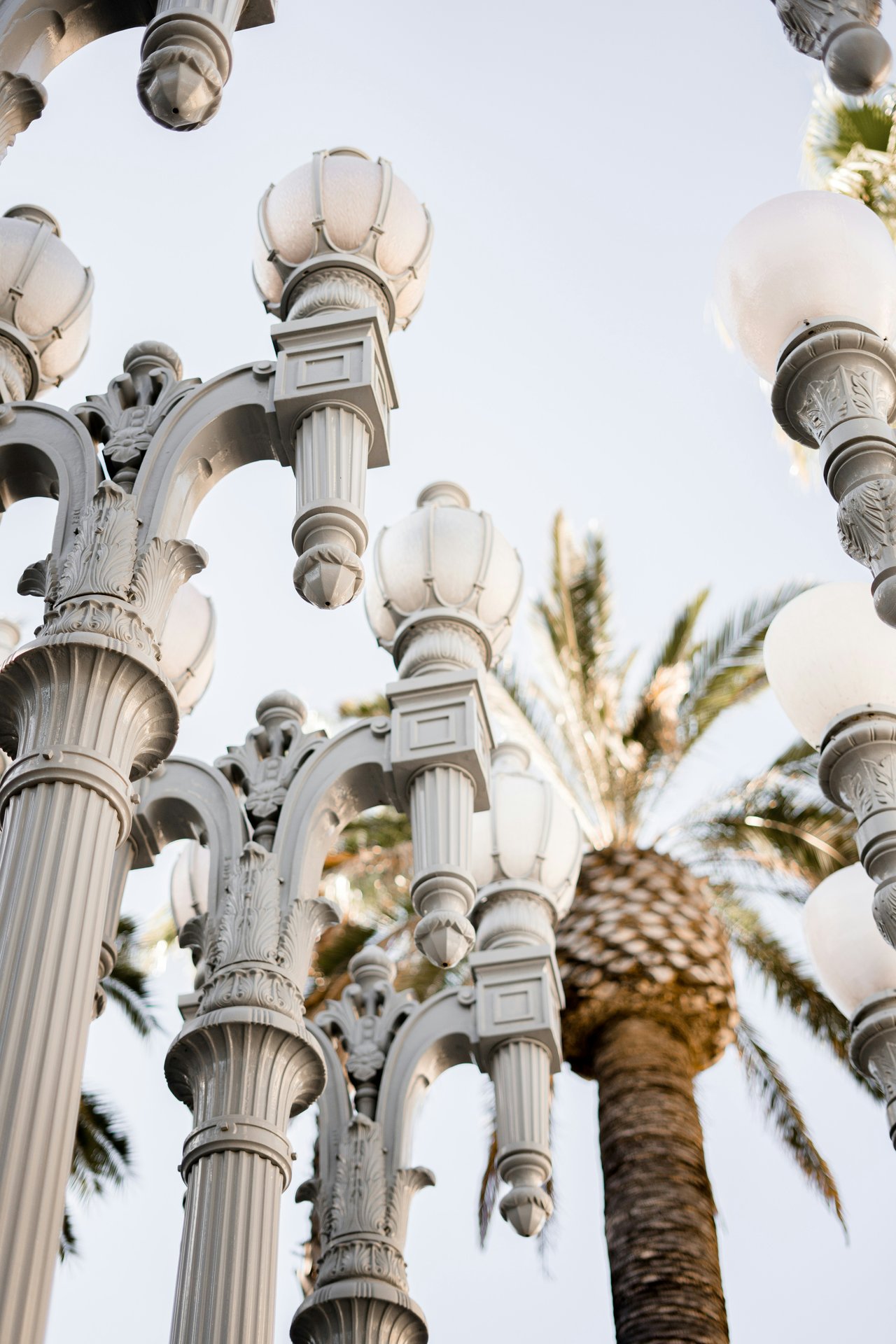
Hancock Park carries the quiet confidence of old Hollywood. The neighborhood's broad, tree-lined streets and grand estates, many built in the 1920s and '30s, have a way of making the surrounding city recede entirely. It feels like a place where people know their neighbors, walk to dinner, and slow down long enough to appreciate where they live.
Hancock Park at a Glance
- Location: Central Los Angeles, bounded by Melrose Avenue to the north, Van Ness to the east, Olympic Boulevard to the south, and Rossmore Avenue to the west
- Architecture: Spanish Colonial, Tudor, Georgian, and French Normandy estates, most built between 1919 and 1940
- Vibe: Old Hollywood royalty; residential, unhurried, and quietly prestigious
- Adjacent corridor: Larchmont Village, one block east, is the neighborhood's main street for dining, coffee, and shopping
- Notable: The neighborhood's historic deed restrictions, in place since the 1920s, have kept its architectural character more intact than almost anywhere else in central LA
What Are the Best Things to Do in Hancock Park?
Hancock Park rewards those who explore it on foot and lean into the Larchmont Village corridor right next door.
Best Entertainment Spots in Hancock Park
- New Beverly Cinema: A repertory theater on Beverly Boulevard programmed by Quentin Tarantino since 2007, screening 35mm and 16mm prints, many from his personal collection, covering exploitation classics, foreign masterworks, and Hollywood obscurities.
- Paramount Pictures Studio Tour: Touristy, yes, but how often do most Angelenos actually do it? A short drive north puts you inside one of the oldest continuously operating studios in Hollywood, a few hours most locals perpetually postpone until guests force the issue.
- Center for Yoga: One of the oldest yoga studios in Los Angeles, operating since 1967 out of a 1925 Larchmont building, a neighborhood institution that has outlasted every wellness trend it predates.
Outdoor Activities Locals Love in Hancock Park
- Walking the neighborhood streets: The wide, landscaped boulevards, particularly Lucerne, Hudson, and Irving, are worth exploring on foot, each block a rotating gallery of historic Revival-style homes unlike anything else in the city.
- La Brea Tar Pits and Park: The green space surrounding this ancient natural landmark, just minutes away, offers open lawns and shaded paths when you need fresh air without driving far.
Where to Shop in Hancock Park
- Larchmont Village Boulevard: A walkable stretch of independent boutiques, specialty shops, and local businesses one block east, the kind of small-town retail corridor that feels increasingly rare in a city this size.
- Larchmont Village Wine, Spirits & Cheese: Family-owned since 1995, this bottle shop and cheese counter is as much a neighborhood institution as a retail store, with a well-curated wine selection, excellent cheese boards, and custom gift baskets that make it the default stop before any dinner party.
- Chevalier's Books: One of LA's longest-running independent bookstores, tucked into Larchmont Village and beloved for its knowledgeable staff and genuine community presence.
What Are the Best Restaurants in Hancock Park?
From a Michelin-starred live-fire destination on Melrose to a beloved diner and a celebrated French brasserie steps away on Larchmont, the neighborhood punches well above its residential weight at the table.
Local Eats and Fine Dining in Hancock Park
- Meteora: Chef Jordan Kahn's one-star Michelin restaurant on Melrose Avenue is one of the most immersive dining experiences in the city, with a jungle-like interior and live-fire California cuisine built around exceptional local ingredients and a menu that changes with the seasons.
- Republique: Set inside a stunning 1929 building on La Brea with soaring ceilings, Republique offers French-inflected cooking that honors its roots while bringing real creativity to the plate. Dinner is the move.
- Max & Helen's: Phil Rosenthal and Nancy Silverton's Larchmont diner has earned its following on merit, with oversized portions, a Pastrami Reuben that delivers, and a Triple Chocolate Cake worth planning around. Open daily 8 am–8 pm, walk-ins only.
Top Spots to Grab a Drink in Hancock Park
- La Bettola di Terroni: The Larchmont outpost of the Terroni family brings cozy, sophisticated bar seating to the boulevard, knowledgeable bartenders, and a focused Italian menu where a short list means every dish is done right.
- Larchmont Village Wine, Spirits & Cheese: A glass of wine and a cheese board here after work is one of the genuinely good rituals this neighborhood offers, easy to linger in and just as easy to grab a bottle on the way out to a friend's for dinner.
FAQs
Why is Hancock Park a good place to live?
Hancock Park offers something most of central Los Angeles doesn't: genuine neighborhood character. The streets are quiet, the homes are architecturally significant, and Larchmont Village is a short walk away. Daily life here feels considered rather than just convenient.
What is Hancock Park best known for?
The neighborhood is best known for its concentration of intact Revival-style estates, built primarily in the 1920s and '30s, when it was developed as one of LA's most prestigious residential addresses. Few neighborhoods in the city have retained their architectural character so completely at this scale.
What is the housing market like in Hancock Park?
Hancock Park is almost exclusively large single-family homes on generous lots, most of them historically significant and priced accordingly. It draws buyers who prioritize architectural character and neighborhood stability, and it consistently ranks among the most sought-after residential addresses in central Los Angeles.
Moving to Hancock Park?
Hancock Park is one of those neighborhoods that people discover and don't leave. Whether you're buying your first home here or selling one you've loved, I'd be glad to walk you through it. Start with my
Buyer's Guide or
Seller's Guide when you're ready. Reach out to me to
learn more about my work in Hancock Park, and let's start a conversation.