
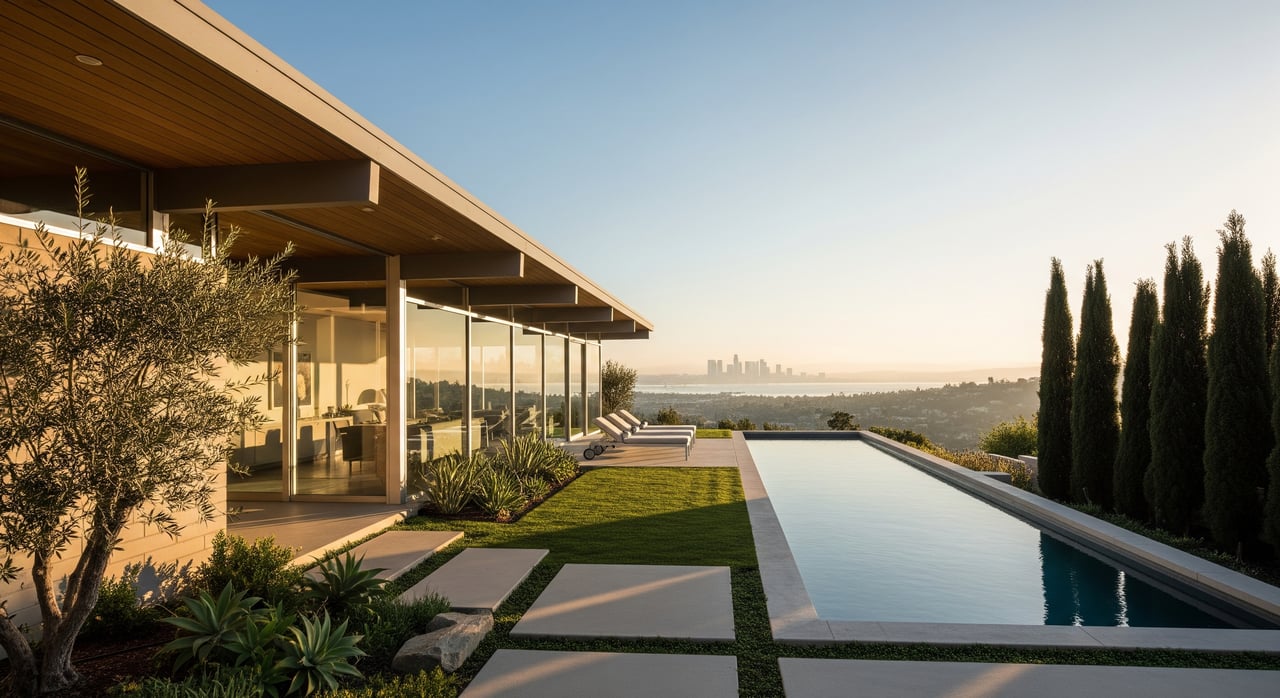
Wondering what your Silver Lake home is really worth right now? Pricing here is nuanced because a few blocks can swing value based on reservoir proximity, hillside views, and walkability to Sunset Junction. You want a list price that is both defensible and compelling so you attract the right buyers without leaving money on the table. This guide gives you a clear, data-backed method to price with confidence, tailored to Silver Lake’s unique micro-markets. Let’s dive in.
Start with market context
Before you pull comps, ground your pricing with a quick read on the local market. Focus on what has actually sold, then layer in what is pending to gauge momentum. Current market direction will shape how aggressive your list price should be.
Check these baseline metrics for Silver Lake and nearby sub-areas over the last 3 to 12 months:
- Median and average sale price, plus price per square foot
- Days on market and sale-to-list price ratio
- Months of inventory and absorption trends
- Any new construction or conversions that might shift benchmarks
Use closed sales as your foundation. Then scan pending and under-contract listings to understand buyer pace and pricing tolerance. Expand your time window if inventory is thin, and plan to adjust for timing if the broader market is moving.
Define your subject clearly
Write a crisp profile of your home so you can match comps with precision. Include property type, square footage, bedroom and bathroom count, lot size and slope, parking or garage details, ADU status, view type, year built, condition, and any permitted upgrades.
Be specific about micro-location. Note reservoir adjacency and whether you have direct, partial, or no view. Identify exact proximity to key corridors like Sunset Boulevard, Silver Lake Boulevard, Hyperion Avenue, or Glendale Boulevard. These details will drive both comp selection and adjustments.
Pick the right comps
Choosing the correct comps in Silver Lake is half the battle. Start tight and widen only as needed, always documenting your choices.
Radius and timeframe
- Begin within 0.25 mile for most single-family homes
- Use the most recent 3 to 6 months if possible
- Expand to 0.5 to 1.0 mile and up to 12 months only if your property is unique or sales are limited
Match key features
Prioritize comps that align closely with the subject:
- Gross living area within about 15 percent
- Similar bedroom and bathroom count
- Lot size within about 25 percent and similar topography
- Similar renovation level and age, or note material differences
- Comparable view quality and street type
Avoid atypical sales unless you can adjust for them. Examples include extreme view premiums, non-permitted additions, or non-arm’s length transactions.
Weight your comps
Create a simple weighting to reconcile comp results into a clear range:
- Similarity weight: 40 percent
- Proximity weight: 30 percent
- Recency weight: 20 percent
- Marketability and condition weight: 10 percent
Calculate a weighted average price and price per square foot, then present a low, median, and high value. Finish with a reconciled suggested list price supported by your notes.
Adjust for differences
Raw comp prices rarely line up perfectly. Use a consistent method to convert differences into dollar adjustments so your final price is defensible.
Size and layout
Start with local price per square foot from closely matched comps. Adjust for square footage differences and for bedroom or bathroom counts by estimating the marginal value of an additional bed or bath in Silver Lake. Derive these figures from your immediate dataset rather than using broad city rules.
Lot and topography
Lot size matters, but usable flat area often matters more in hillside pockets. Reflect slope, access, and outdoor functionality in your adjustments. A larger, flat yard may warrant a stronger premium than raw lot square footage would suggest.
Views and reservoir influence
Direct reservoir or wide city and mountain views typically trade at a premium. Partial views and simple walkability to the loop without a view are different categories. Use paired sales to isolate the premium for each tier, then apply the appropriate adjustment.
Condition and permits
Quality, permitted renovations tend to command stronger prices than cosmetic refreshes. Confirm permits for major systems, additions, and ADUs. Note seismic upgrades, roof age, HVAC, and energy features. Buyers value documented improvements and this can tighten your pricing range.
Parking and ADUs
In Silver Lake, dependable parking and garage access are important. Adjust for secure parking, garage size, and ease of use. For legal ADUs, consider capitalization of potential income or compare to recent local sales with similar ADUs to estimate the premium.
Walkability and noise
Proximity to corridors like Sunset Junction can boost value for buyers who prioritize cafés, shops, and transit. Street-facing homes on busy blocks may trade some of that premium due to noise or privacy. Use comps that mirror your street type and set back.
Time trends
If the market is moving, calculate a monthly trend factor based on recent local median price or price per square foot. Apply a time adjustment to older comps so all values reflect the same index date.
Micro-location matters
Silver Lake’s value map shifts quickly with elevation, view corridors, and everyday access. Capture these patterns in your comp set and adjustments.
Reservoir proximity
Categorize homes into direct reservoir view, partial view, walking distance without view, and non-reservoir zones. Compare how each bucket trades per square foot. Note that outdoor usability near the loop can add perceived value for many buyers.
Corridors and block nuance
Measure how far your home sits from Sunset Boulevard, Silver Lake Boulevard, Hyperion Avenue, or Glendale Boulevard. Homes one block off an active corridor often blend walkability with quieter surroundings. Align comps by block type to keep your analysis consistent.
Hillside orientation and exposure
Orientation affects natural light and daily comfort. South or west exposures often feel brighter, while certain orientations retain cooler temperatures. Views toward the Hollywood Hills or downtown can create distinct premiums. Use photos and maps to document these factors in your comp narrative.
Work a quick example
Here is a simple approach you can follow without advanced software:
Gather 5 to 8 recent, nearby sales. Aim for 0.25 mile and 3 to 6 months where possible. Note GLA, beds and baths, lot size and slope, view type, renovation level, parking, and ADU status.
Organize raw numbers. Record sale price and price per square foot. Group comps into view and corridor distance tiers to see patterns.
Derive local adjustments. Estimate dollars per square foot for size, and marginal values for an additional bath or bedroom. Use paired sales to isolate premiums for views, ADUs, and parking.
Adjust each comp. Apply size, bed and bath, lot, view, condition, parking, ADU, walkability, and time adjustments. Keep notes so every dollar has a reason.
Weight and reconcile. Apply your weighting to calculate a low, median, and high. Suggest a list price that fits the market context and your home’s marketability. Present a confidence band and your rationale.
Validate before you list
A strong price is both data-backed and verified. Take these steps before going live to reduce uncertainty and strengthen your negotiating position.
Independent valuations
Request competitive market analyses from at least two local brokers and compare methodologies. Consider a pre-listing appraisal if your property is unique or high value. Independent opinions support your pricing story and help align stakeholders.
Inspections and records
Order a pre-listing inspection to surface issues early. Pull permit history and zoning data to confirm status for additions, ADUs, and major systems. Organize recent improvements with receipts and photos to support your value claims during showings.
Disclosure checkpoints
Prepare required California seller disclosures including natural hazard and transfer disclosures. If you have a multi-unit or an ADU, confirm any rent stabilization implications and tenant-related notices. Clear documentation builds trust and helps prevent closing delays.
Seller checklist
- Profile your home’s specs, micro-location, and upgrades in detail
- Pull 5 to 8 recent, nearby, like-kind comps within 0.25 to 0.5 mile
- Stratify by view, corridor distance, and hillside factors
- Compute local price per square foot and marginal values by feature
- Adjust for timing, condition, parking, and ADUs using paired sales
- Weight comps and reconcile to a supported range and list price
- Validate with broker CMAs and consider a pre-listing appraisal
- Complete a pre-listing inspection and confirm permits
- Prepare disclosures and an amenity map for buyer packets
Ready to price with confidence?
Silver Lake rewards a careful approach. When you combine precise comp selection with documented adjustments and micro-location nuance, you set a price that attracts attention and justifies itself during negotiations. If you want a data-forward partner to run the analysis, present the story, and bring polished marketing to your listing, connect with Carolina Kramer.
FAQs
How close should Silver Lake comps be?
- Aim for within 0.25 mile and 3 to 6 months for most single-family homes, expanding to 0.5 to 1.0 mile or up to 12 months only when necessary.
What is the value of a reservoir view?
- Value varies by quality of view and block; use paired sales nearby to estimate the premium for direct view, partial view, or simple walking access.
Should I price by price per square foot only?
- No. Use price per square foot as a check, but rely on adjusted comparable sale prices that account for beds, baths, lot, view, condition, and time.
How do I treat a legal ADU in pricing?
- Compare to recent local sales with similar ADUs or estimate a premium using expected net rental income to inform an adjustment.
How do corridor proximity and noise factor in?
- Walkability near corridors can add value, while street-facing exposure may reduce it; choose comps on similar street types and adjust for differences.
What if my home is unique or architectural?
- Widen the search to find appropriate architectural comps and use a broader confidence range, then support your price with a qualitative narrative and third-party validation.