What to Know About Nichols Canyon
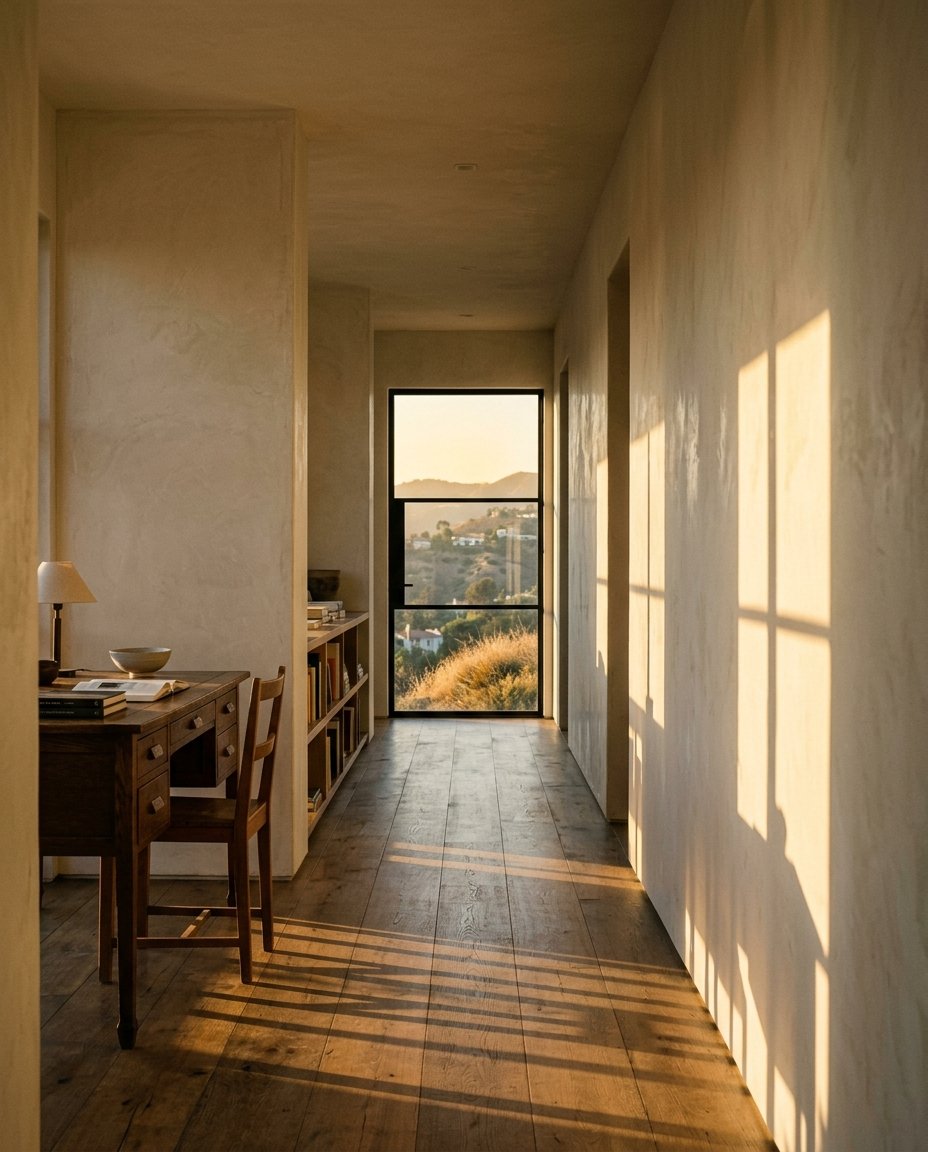
Nichols Canyon is one of the quietest three miles in Los Angeles. Tucked between Laurel Canyon and Runyon Canyon, connecting Hollywood Boulevard to Mulholland Drive through a narrow, wooded road, it is the kind of neighborhood most Angelenos have driven through without knowing it has a name. The residents who do know tend to guard that knowledge carefully.
Nichols Canyon at a Glance
- Location: Hollywood Hills, running north from Hollywood Boulevard to Mulholland Drive, between Laurel Canyon to the west and Runyon Canyon to the east
- Architecture: Mid-century modern, Spanish Revival, Mediterranean estates, and contemporary builds, many on large lots with canyon views and significant privacy
- Vibe: Quiet, wooded, and private; the feeling of the countryside with the city fifteen minutes in every direction
- Neighborhood type: Primarily residential; dining, shopping, and coffee are accessed from adjacent Laurel Canyon Boulevard and lower Hollywood
- Notable: One of the few neighborhoods in central LA where the drive home is genuinely part of the appeal — Nichols Canyon Road is narrow, wooded, and unlike anything else in the city
What Are the Best Things to Do in Nichols Canyon?
The neighborhood rewards people who want to be genuinely removed from the city without actually leaving it. The outdoors is the main event here, and the corridor along Laurel Canyon Boulevard picks up everything the canyon road itself doesn't offer.
Best Entertainment Spots in Nichols Canyon
- Hollywood Bowl: Ten minutes south, the iconic outdoor amphitheater hosts world-class concerts from spring through fall, and for canyon residents, a summer evening show followed by a drive back up through the hills is one of the better versions of an LA night out.
- Runyon Canyon community events: The park hosts periodic yoga sessions, group hikes, and informal neighborhood gatherings that have made it a social anchor for Hollywood Hills residents near its various entrances.
- Hollywood Farmers Market: Running on Sundays on Ivar Avenue just south of Hollywood Boulevard, this certified market draws canyon residents for fresh produce, local vendors, and prepared foods, a short drive from the neighborhood's base.
Outdoor Activities Locals Love in Nichols Canyon
- Runyon Canyon Park: The park's upper entrance sits at the canyon's edge, making it one of the most accessible trailheads in the Hollywood Hills — a loop trail with sweeping views of the Hollywood Sign and the LA Basin that doubles as the city's best off-leash dog route.
- Nichols Canyon Road: The three-mile drive or walk from Hollywood Boulevard to Mulholland is a genuine natural experience in the middle of the city, narrowing through dense canyon vegetation that at points feels closer to a rainforest than a residential street.
- Mulholland Drive: At the canyon's northern edge, Mulholland runs the crest of the Santa Monica Mountains with some of the most dramatic views in the city, east toward Griffith Park and west toward the Pacific, and remains one of LA's great scenic drives.
Where to Shop in Nichols Canyon
- Laurel Canyon Boulevard: The commercial strip at the canyon's edge offers independent shops, local services, and a low-key neighborhood energy that has made it the de facto main street for Hollywood Hills residents since the 1920s.
- The Sunset Strip corridor: Ten minutes south, a concentration of boutiques, galleries, and independent retailers runs between West Hollywood and the base of the Hills.
What Are the Best Restaurants in Nichols Canyon?
Nichols Canyon has no restaurant on its own road, but Laurel Canyon Boulevard and lower Hollywood provide options that feel like natural extensions of canyon living rather than destinations.
Local Eats and Fine Dining in Nichols Canyon
- Pace: An organic Italian restaurant beneath the Laurel Canyon Country Store building at 2100 Laurel Canyon Boulevard, where handmade pastas, cedar wood-grilled salmon, and a thoughtful wine list have drawn canyon residents since 1999.
- Laurel Hardware: A West Hollywood neighborhood restaurant on Santa Monica Boulevard with a covered outdoor patio, a seasonal New American menu, and a daily happy hour that makes it one of the easier places to end up on a weekday evening.
- Musso and Frank Grill: The oldest restaurant in Hollywood, operating on Hollywood Boulevard since 1919, where the martinis are legendary, and the red leather booths have hosted virtually every major figure in the entertainment industry over the past century.
Top Spots to Grab a Drink in Nichols Canyon
- Blackwood Coffee Bar: At the base of Runyon Canyon on Sunset Boulevard, this independent coffee bar serves inventive house-made drinks alongside excellent espresso on a dog-friendly patio that makes it worth lingering before or after a hike.
- Laurel Hardware: The same Santa Monica Boulevard spot that works for dinner earns its place as a drinks destination, with craft cocktails, a well-chosen wine list, and a backyard patio that has the energy of a neighbor's garden on weekend evenings.
FAQs
Why is Nichols Canyon a good place to live?
Nichols Canyon offers something rare in Los Angeles: actual quiet, with genuine natural beauty, and the city fully accessible when you want it. Canyon residents routinely describe the daily drive home as one of the things they value most about living here.
What is Nichols Canyon best known for?
Nichols Canyon is best known to those who know it as the Hollywood Hills' most private canyon, one that has attracted musicians, directors, and creative industry figures precisely because it offers seclusion without sacrifice. Jim Morrison lived steps from its entrance; the canyon's discretion has been a selling point for a century.
What is the housing market like in Nichols Canyon?
The housing stock is eclectic by design. Mid-century post-and-beam homes by architects like Buff and Hensman sit alongside Spanish Revival estates and contemporary architectural builds, most on generously sized lots with mature landscaping and canyon views. Properties here attract buyers who prioritize privacy and architectural character, and the market reflects that premium.
Moving to Nichols Canyon?
Nichols Canyon is the kind of neighborhood that reveals itself gradually, and it takes living here to understand what makes it worth protecting. Whether you are buying a first canyon home or selling one you've loved for years, I'd be glad to walk you through a market where the right property can be genuinely hard to find. Start with my
Buyer's Guide or
Seller's Guide when you're ready. Reach out to me to
learn more about my work in Nichols Canyon, and let's start a conversation.