
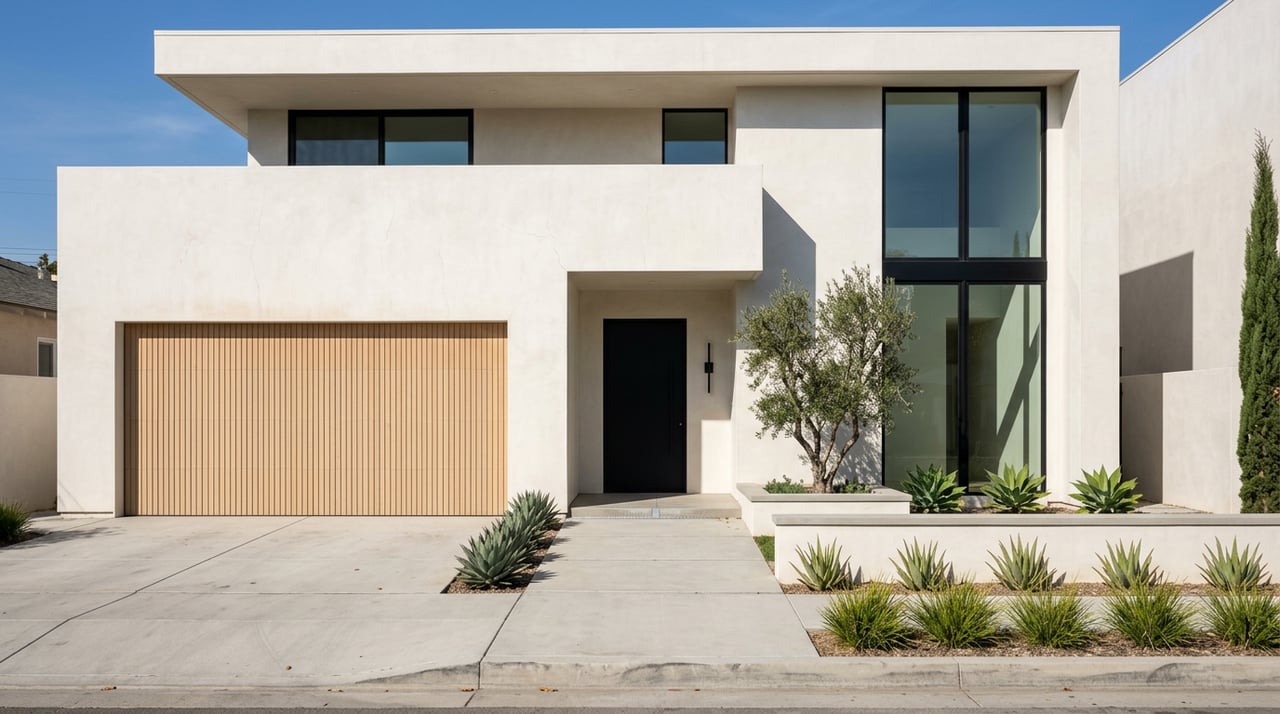
Should you choose a condo, a loft, or a small-lot home in Silver Lake? If you love this neighborhood’s design energy and hillside views, you also know prices and property types can feel complex. You want a home that fits your lifestyle and your budget without surprises from HOAs, maintenance, or financing. This guide breaks down what you actually own, how costs stack up, and what to ask before you write an offer. Let’s dive in.
Which home type fits your Silver Lake life?
Silver Lake remains a high-price Los Angeles market, with a recent median sale price around $1.56 million across all home types. That sets the stage for smart tradeoffs. Condos and lofts often offer a lower entry price and simplified exterior upkeep. Small-lot homes deliver fee-simple ownership and private outdoor space, typically at a premium. Your best choice comes down to how you want to live, what you want to maintain, and how you plan to finance.
Quick definitions: condo, loft, small-lot home
What is a condo?
A condominium is a legal form of ownership. You own an individual unit and a shared interest in common areas. Most California condo communities operate under an HOA that enforces CC&Rs and manages budgets, reserves, and maintenance. The Davis-Stirling framework outlines how HOAs function and what they must disclose to owners and buyers. You can review these consumer basics in the state’s overview of homeowners associations and Davis-Stirling requirements.
What is a loft?
“Loft” usually describes a style and building type, not a separate ownership category. Many Los Angeles lofts are part of condo buildings, especially conversions with open plans, tall ceilings, and large windows. If you’re considering a loft, confirm whether it is a true conversion or a loft-style condo and verify its HOA, insurance, and lending rules. The financing and due diligence typically mirror a standard condo.
What is a small-lot home?
Small-lot homes are fee-simple single-family houses created under a Los Angeles ordinance that allows homes on compact lots, often in infill locations. These homes are individually owned parcels with no shared foundations, and developments often include shared driveways or access easements. For the city’s small-lot subdivision process and titling, see the Los Angeles guidance on final subdivisions and mapping and the overview of small-lot subdivisions in tentative mapping.
Ownership and rules: what you actually own
- Condos and most lofts: You own your interior unit space and share common elements with other owners. An HOA administers the rules, budgets, and reserve planning under Davis-Stirling. Expect recorded CC&Rs and regular financial disclosures.
- Small-lot homes: You typically own a fee-simple parcel and the home, similar to a traditional single-family. Shared access or utilities are handled by recorded maintenance agreements or sometimes a lightweight HOA for common areas.
HOA dues, maintenance, and insurance
Condos and lofts: HOA scope and HO-6
Condo and loft communities use HOA dues to cover common-area repairs and services. That can include building insurance on a master policy, exterior maintenance, landscaping, trash, elevators, pools, and sometimes on-site management. Associations in California must provide budgets and certain disclosures to owners, as outlined in the state’s HOA consumer guide. As an owner, you’ll usually carry an HO-6 (unit-owner) insurance policy that covers your interior finishes, contents, and liability. Your coverage needs depend on whether the association’s master policy is “walls-in” or limited to common elements. Learn what an HO-6 typically covers and how it differs from other policies in this plain-language insurance explainer.
Small-lot homes: fees and HO-3/HO-5
Small-lot buyers carry full responsibility for the structure and exterior, similar to detached single-family ownership. You’ll purchase a standard homeowner policy (HO-3 or HO-5) that covers the dwelling, contents, and liability. Because you own the full structure, premiums and maintenance planning reflect that larger scope compared with a condo. For a quick primer on policy types, see the same insurance resource on HO-6 vs homeowner coverage.
How much to budget each year
For single-family and small-lot homes, a common rule of thumb is to set aside about 1 percent of the home’s value per year for maintenance, with older or more complex homes sometimes requiring up to 3 percent. This baseline is a useful starting point for Silver Lake’s hillside properties and varied building ages. Condos shift much of the exterior cost into HOA dues, but special assessments can occur if reserves are low. For more on the 1 percent guideline, review this home maintenance budgeting overview.
Price positioning in Silver Lake
- Neighborhood baseline: The recent median sale price in Silver Lake is about $1.56 million across all home types. Use this as a quick context check.
- Condos and lofts: Recent local examples show smaller loft-style or one-bedroom units trading below the neighborhood median, with many two-bedroom condos still pricing lower than most single-family options. HOA dues vary by building size and amenities, typically from the low hundreds into the mid five hundreds per month in local listings.
- Small-lot homes: Newer small-lot houses with private garages and rooftop decks often sell at or above the neighborhood median, with recent Silver Lake examples ranging into the low to mid seven figures, particularly for homes with views or design-forward finishes.
Bottom line: Condos and lofts may lower your upfront cash outlay and simplify exterior care. Small-lot homes offer fee-simple ownership and private outdoor space at a higher price point.
Financing and lender checks
Condo warrantability 101
Condo financing includes a project-level review. If a building has weak reserves, high delinquency, significant litigation, or too much commercial or investor ownership, it may be considered non-warrantable. That status can reduce conventional financing options and increase down payment or rate requirements. Have your lender screen the building early. For a clear overview, see this guide on warrantable vs. non-warrantable condos.
Small-lot and single-family financing
Small-lot homes are typically financed like other fee-simple single-family properties. Conventional lending is generally straightforward, though new construction can bring builder or appraisal nuances. If any shared elements exist, your lender may request the recorded easements and agreements that define maintenance responsibilities.
Taxes and long-term costs
California’s Proposition 13 sets a base 1 percent property tax on assessed value and caps annual increases in assessed value until a change of ownership or new construction triggers reassessment. Local bonds and assessments are added on top of the base rate. When you buy, your assessed value usually resets to your purchase price, so confirm the effective rate for the specific parcel. For definitions and basics, see this county explainer on assessments and terminology.
If you are eligible due to age or disability, Proposition 19 may allow limited base year value transfers in certain cases. Check eligibility and filing steps with your local assessor. This Prop 19 resource from a county assessor’s office is a helpful starting point.
Resale and liquidity in this market
Fee-simple single-family homes often attract the broadest buyer pool and conventional financing. Condos and lofts can face a narrower pool if a project is non-warrantable or has HOA concerns. That affects pricing and time on market. If you buy a condo or loft, keep HOA documentation organized and current so you are ready to show financial health when you sell. For a refresher on how project eligibility shapes buyer access, review this note on condo warrantability and financing.
A simple decision framework
Use these prompts to compare options side by side:
- Ownership and control: Do you want fee-simple ownership with full control and responsibility, or shared control and shared costs through an HOA?
- Monthly carrying cost: Add your estimated mortgage, HOA dues (if any), property taxes, insurance, and a maintenance reserve. Use the 1 percent rule as a starting point for small-lot or single-family homes.
- Lifestyle fit: How important are private outdoor areas, attached parking, and roof or yard maintenance to your daily life?
- Financing path: Will your lender approve the condo project easily, or will it require a special review or a different loan setup?
- Resale plan: If you plan to sell in a few years, which property type will likely match a broad buyer pool for your location and price band?
What to ask and review before you write an offer
Condos and lofts
- Request the HOA’s CC&Rs, bylaws, current budget, latest reserve study, recent meeting minutes, insurance declarations, delinquency rates, and any litigation or special assessment disclosures. California HOAs must provide budgets and certain owner disclosures under Davis-Stirling rules.
- Ask your lender to pre-screen project eligibility. If non-warrantable, get rate and down payment scenarios in writing. This warrantability guide outlines common red flags.
- Confirm the HOA master policy scope. If it is not “walls-in,” ensure your HO-6 policy covers interior finishes and betterments. Review HO-6 basics in this insurance explainer.
Small-lot homes
- Obtain the recorded tract or parcel map, shared driveway or utility easements, and any maintenance agreements. The city’s subdivision materials clarify how small-lot tracts are recorded and maintained. Start with final subdivision guidance.
- Get insurance quotes for HO-3 or HO-5 coverage and plan a maintenance reserve using the 1 percent rule baseline.
- Verify any new-construction warranties and clarify what, if anything, a project-level association maintains.
Budgeting snapshot to build with your lender
- Mortgage estimate for your target price
- HOA dues (if applicable) and exactly what they include
- Property tax estimate using purchase price and local add-ons
- Insurance premiums: HO-6 for condos/lofts, HO-3/HO-5 for small-lot
- Annual maintenance reserve set-aside
Final thoughts
In Silver Lake, your best choice comes from aligning ownership, monthly costs, and lifestyle. If you prefer lower exterior maintenance with a lower entry price, a condo or loft may be the right move. If you want fee-simple control, private outdoor areas, and the best long-term resale pool, a small-lot home can be worth the premium. Either way, focus on the details: HOA health, insurance scope, financing path, and total monthly costs.
Ready to compare real homes and run the numbers? Reach out to Carolina Kramer to tour options, review HOA documents, and model true monthly costs so you can buy with confidence.
FAQs
What is the main difference between a condo and a small-lot home in Los Angeles?
- A condo is a unit within a common-interest development governed by an HOA, while a small-lot home is a fee-simple single-family house on a compact lot with possible shared driveways or easements.
How do HOA dues for Silver Lake condos typically work?
- Dues usually fund common-area maintenance and the building’s master insurance; owners still carry an HO-6 policy for interiors and contents as defined by the CC&Rs.
What is condo warrantability and why does it matter for Silver Lake buyers?
- Warrantability means a condo project meets conventional lending standards; non-warrantable buildings can limit loan options and raise down payment or rate requirements.
How should I budget for maintenance on a small-lot home in Silver Lake?
- Use about 1 percent of the home’s value per year as a baseline, adjusting up for age, systems, and hillside exposure; this is separate from insurance and property taxes.
Do property taxes reset when I buy a home in Silver Lake?
- Yes, a purchase typically triggers reassessment under Prop 13, setting your new assessed value close to the purchase price plus local bond add-ons.