Silver Lake is a neighborhood in Los Angeles, CA, centered around the Silver Lake Reservoir, known for its hillside mid-century architecture, convenient commercial corridors, and a creative community that has shaped the area since the 1920s. If you're considering living in Silver Lake or just trying to understand what the day-to-day looks like, this guide is your starting point, covering everything from walkability and neighborhood gems to how Silver Lake stacks up against its Eastside neighbors.
TABLE OF CONTENTS
Living in Silver Lake means that daily life is centered on the 2-mile Silver Lake Reservoir Loop, walkable access to Sunset Junction's cafés and boutiques, and a hillside housing stock defined by 1920s bungalows and mid-century modern hillside estates. It is one of the few Los Angeles neighborhoods where design history, outdoor infrastructure, and a dense independent business corridor exist within quick distance of most residential addresses.
Silver Lake sits on hilly terrain centered around the Silver Lake Reservoir, which functions as the neighborhood's daily gathering point for runners, dog walkers, and neighbors alike.
The housing stock spans 1920s bungalows, mid-century and modernist hillside homes, garden apartments, and multifamily buildings, with ADU potential on many lots.
A creative, design-forward community defines the setting — expect to find indie cafés, local art venues, specialty retail stops, and the Silver Lake Farmers Market that draws the neighborhood together twice each week.
Resident retention here is high, and the lifestyle that Silver Lake delivers is the primary reason why people who move here tend to stay.
The Silver Lake Reservoir is not just a landmark — it is the neighborhood's anchor. The roughly 2-mile loop around the water draws residents from morning to evening: joggers running laps, bird watchers enjoying the scenery, neighbors catching up and chatting on benches, and dogs heading to the adjacent Silver Lake Dog Park.
The hillside terrain does more than create amazing views. It also determines how the neighborhood is experienced, street by street. Because lots are irregular and slopes are steep, homes are positioned to emphasize tranquility and outlook rather than proximity to neighbors. The result is a setting where two houses on the same block can feel entirely different, depending on how they sit on the land, and where a short walk in any direction tends to reveal something you hadn't noticed before.
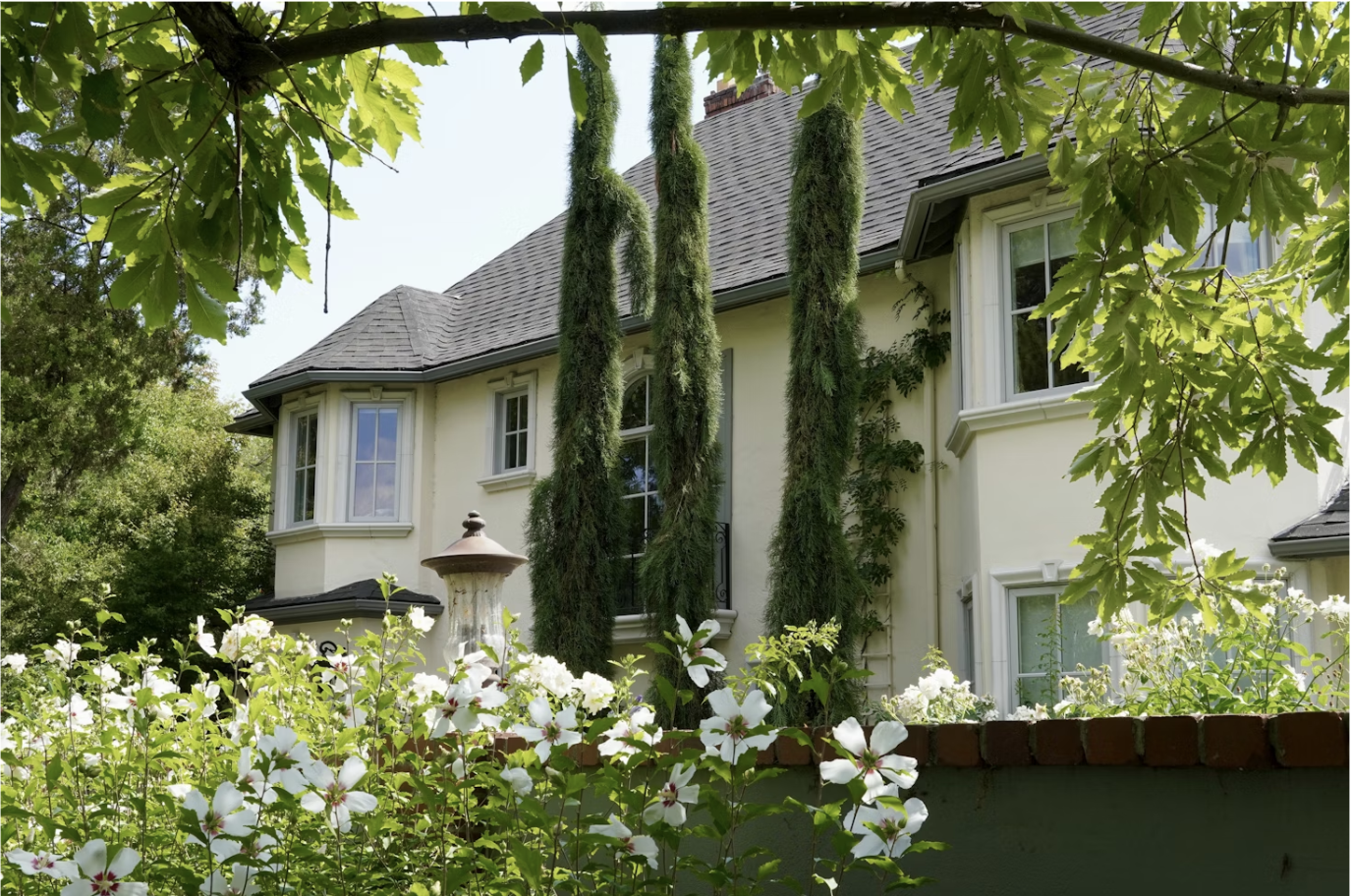
Silver Lake's topography creates two distinct residential experiences. In the flats around the Silver Lake Reservoir, Hyperion Avenue/Rowena Avenue, and Sunset Junction (where Santa Monica Boulevard and Sunset Boulevard converge), you’ll encounter 1920s and 1950s garden apartments, bungalow courts, and mixed-use buildings with retail below. These blocks put all the daily conveniences within easy reach.
The winding hillside streets, including Panorama Terrace, Silver Ridge Avenue, Fargo Street, and Baxter Street, offer something different: mid-century and modernist single-family homes, tighter parking, more tranquility, and mesmerizing views that reward the climb.
Three corridors define how residents interact with the neighborhood commercially. Sunset Junction — the intersection of Sunset and Santa Monica boulevards — is the neighborhood's most active pedestrian node, anchored by spots like Intelligentsia Coffee and flanked by independent boutiques, vintage shops, and the kind of sidewalk energy that makes a Tuesday errand feel like a social occasion. The weekly Silver Lake Farmers Market sets up at Sunset Triangle Plaza just steps away, which means that on Tuesdays and Saturdays, the corridor functions as both a retail strip and a lively gathering point.
The Hyperion/Rowena corridor sits in the northeastern part of Silver Lake and serves a different purpose — it is where residents go for the repeatable, lower-key version of daily life. A cluster of design-forward small businesses lines these blocks, with the Silver Lake Reservoir visible from certain intersections.
Silver Lake Boulevard adds its own layer: independent shops, smaller food and drink operators, and residential blocks that sit close enough to the commercial strip to make a late-evening walk for takeout practical.
Long before Silver Lake became a recognizable name in real estate conversations, it was where renowned architects like Richard Neutra, Allyn Morris, and John Lautner built experimental houses, where musicians recorded albums in converted garages, and where writers chose to live because the community was interesting. That history isn't just atmosphere. Rather, it produced a built environment full of architectural ambition and a social environment that still rewards originality and ingenuity over conformity.
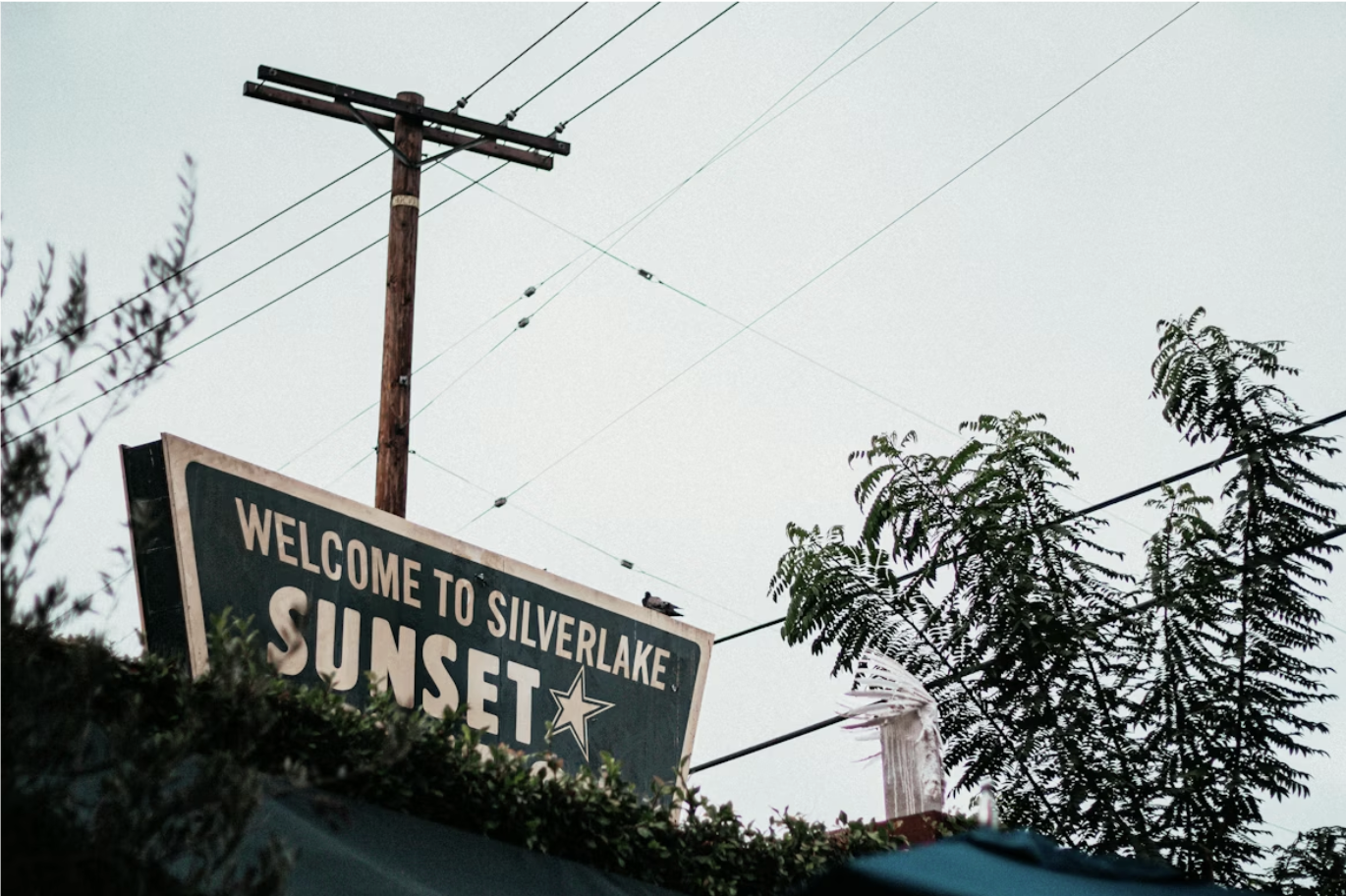
Silver Lake is among the most walkable neighborhoods in Los Angeles, as the Silver Lake Reservoir Loop, Sunset Junction, and the Silver Lake Farmers Market at Sunset Triangle Plaza are all accessible from most residential streets. If you’re curious about living in Silver Lake, daily errands, coffee, dining, shopping, and outdoor recreation don't require a car, which is rare for Los Angeles and is one of the primary reasons why people choose this setting.
The Silver Lake Reservoir Loop is the neighborhood's daily pedestrian circuit, with benches, a green space, and the Silver Lake Dog Park all within reach.
Sunset Junction anchors a dense commercial corridor where cafes, restaurants, independent shops, and a popular farmers market are concentrated within a few convenient blocks.
For car-light living, the flat sections of Silver Lake are the right target. Addresses near the Silver Lake Reservoir, Sunset Junction, and Hyperion Avenue deliver on bus access, café proximity, and groceries (Trader Joe's and Gelson's are each on Hyperion).
What makes Silver Lake's walkability so notable in the LA context is the density of purpose. The things people actually want and need to do on any given day — coffee, groceries, a walk, dinner with friends, a bookstore trip — are accessible on foot from most areas of the neighborhood. That changes the daily rhythm in ways that many residents describe as the single hardest thing to give up if they ever consider leaving. A car is still useful here in a general sense of LA living, but it's just not the organizing principle of day-to-day.

Walkability varies by street and elevation. Homes on steeper hillside streets are a longer walk to the main corridors than those closer to the Silver Lake Reservoir or Sunset Junction. Before committing to a specific address, it's worth exploring the actual route from that block to the amenities you'd use most often, as the difference between a five-minute and a twenty-minute walk to your favorite coffee shop shows up in how you actually live.
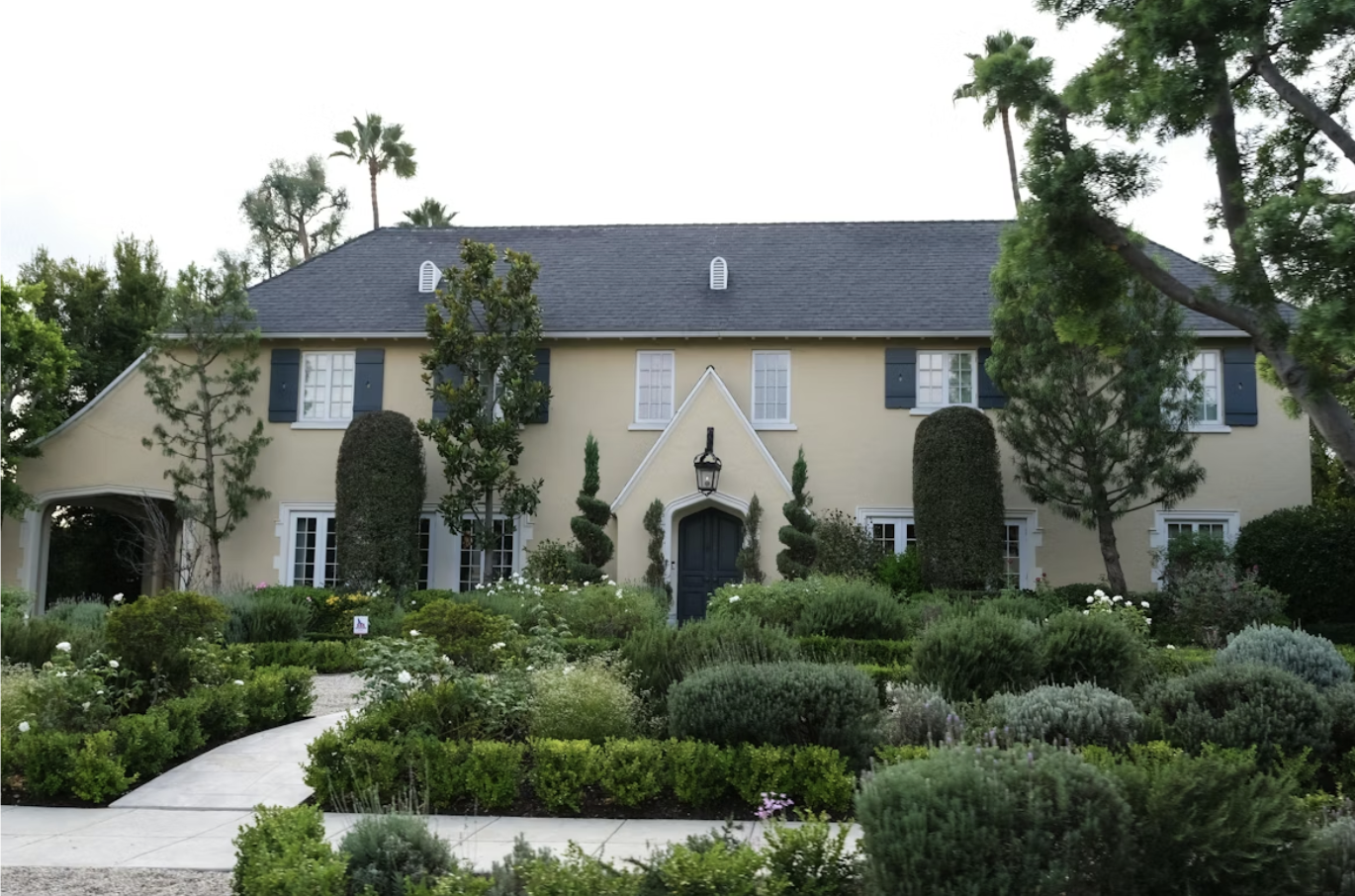
Silver Lake's hidden gems are built into the neighborhood's physical infrastructure: roughly 50 hillside stair streets constructed during the streetcar era, each delivering public art, reservoir views, and quiet residential character that no commercial corridor can replicate. Beyond the stairs, Silver Lake Meadow, the Neutra VDL National Historic Landmark, the Lyric Hyperion performance venue, and longstanding institutions like Rockaway Records and Silverlake Wine stand out — for anyone living in Silver Lake, these are the places that distinguish the neighborhood from anywhere else in LA.
Silver Lake Meadow is a 2.5-acre grassy knoll on the east side of the Silver Lake Reservoir used for picnicking, yoga, frisbee sessions, kite-flying adventures, and sunny weekend afternoons.
The Lyric Hyperion Theater & Cafe is a lively, historic performance venue on Hyperion Avenue that hosts a range of creative programming on its 85-seat stage, from theater and concerts to comedy nights.
Long-running neighborhood institutions — Silverlake Wine and Rockaway Records (both on Glendale Boulevard) and Broome Street General Store on Rowena Avenue — give Silver Lake a sensibility that outlasts trend cycles.
The best things to do in Silver Lake are anchored by the Silver Lake Reservoir Loop, the twice-weekly Silver Lake Farmers Market on Sunset Boulevard, and a live music scene centered around the Silverlake Lounge and El Cid — all within walking distance of most residential addresses. The Silver Lake Recreation Center adds structured sports and fitness programming, making the neighborhood functional for active residents rather than just visitors passing through.
The Silver Lake Branch Library on Glendale Boulevard serves as a community learning hub with workshops, storytime programming, and public resources.
The year-round Silver Lake Farmers Market is held Tuesdays and Saturdays on Sunset Boulevard and brings together produce vendors, local food makers, delightful goods, and live entertainment in a concentrated format, serving as both a practical shopping stop and a must-see social event — a place where regulars run into neighbors and linger longer than they planned.
The nightlife here is low-key by design, with a handful of longstanding bars with regular programming (karaoke, live music, DJs) that attract locals more than crowds.
Sunset Junction's boutique shopping is distinct from anywhere else in LA, featuring independent fashion, home goods, small-batch spirits, and curated vintage, all concentrated in a walkable strip.
The Silver Lake Reservoir Loop gains most of the attention, but Silver Lake's outdoor offerings extend well beyond it. The Silver Lake Recreation Center features a playground and runs organized sports and fitness programs in soccer, baseball, softball, basketball, volleyball, and flag football. Fitness classes cover yoga, Pilates, and HIIT-style training, which means that you have indoor options for days when LA's weather is uncooperative (rare, but good to have in your back pocket). For anyone living in Silver Lake, the recreation center's programming means you have structured fitness options within walking distance year-round.
As far as hiking, the neighborhood's terrain does the work for you. The hillside streets of Panorama Terrace or Silver Ridge Avenue are not maintained trails in the traditional sense — they are residential blocks with enough elevation gain to turn a 25-minute walk into a full-scale workout.
The historic Silverlake Lounge on Sunset Boulevard is the neighborhood's most consistent live music venue for smaller and mid-sized acts. Unlike larger venues that draw destination crowds from across the city, the Lounge runs a weekly schedule of shows spanning rock, indie, and alternative programming that skews toward regulars and locals. It is the kind of venue where you can walk in and catch a great set from a band you have never heard of, which is exactly the point.
El Cid is a Spanish restaurant on Sunset Boulevard that doubles as one of LA's most notable flamenco bars, with a live band and dancing — a distinctly Silver Lake combination of dining and performance under one roof.
Living in Silver Lake, residents enjoy a recurring events calendar that gives the neighborhood a social rhythm. Summer brings outdoor concerts at the Silver Lake Reservoir, with local and touring bands performing against the backdrop of the water and surrounding hills.
The Silver Lake Classic, a two-mile charity run/walk organized by the Silver Lake Track Club, takes place at the reservoir and draws a mix of competitive runners and casual participants.
Silver Lake occupies a distinct middle ground among its Eastside neighbors — more architecturally interesting than Echo Park, less formal than Los Feliz, more active than Atwater Village, and more established in its food and arts scene than Glassell Park and Highland Park. For buyers weighing where to put down roots, living in Silver Lake offers a compelling combination — a design-forward community, the Silver Lake Reservoir Loop, active commercial corridors, and hillside character — that no adjacent Eastside neighborhood replicates in full.
Silver Lake vs. Echo Park: Silver Lake skews hilly, upscale, and arts-focused around the reservoir, whereas Echo Park — found slightly southeast of Silver Lake — is denser, more urbanized, and more nightlife-oriented near Echo Park Lake.
Silver Lake vs. Los Feliz: Los Feliz offers closer Griffith Park access and a serene residential feel; Silver Lake has a more active amenity setting and more retail options.
Silver Lake vs. Atwater Village: Atwater Village, northeast of Silver Lake, has historically offered more approachable pricing options and a small-village feel along the LA River; Silver Lake wins on commercial density and convenient amenities.
Silver Lake vs. Glassell Park and Highland Park: These areas, found further east of Silver Lake, offer growing dining scenes but fewer established amenities; Silver Lake is more built-out in terms of restaurants, nightlife, and infrastructure.
The Silver Lake Reservoir is not just a selling point — it is a structural feature of how the neighborhood functions socially. You run into the same people, and you learn the rhythm of the place. Echo Park Lake, offering a one-mile loop, comes closest to this, but the character of the space is different, and the surrounding residential density makes the loop feel more transient than communal. Griffith Park in Los Feliz is spectacular but far too expansive at 4,200 acres to function as a neighborhood gathering circuit. Atwater Village features the LA River path, which is a linear route rather than a loop and is pleasant but does not draw the same daily foot traffic.
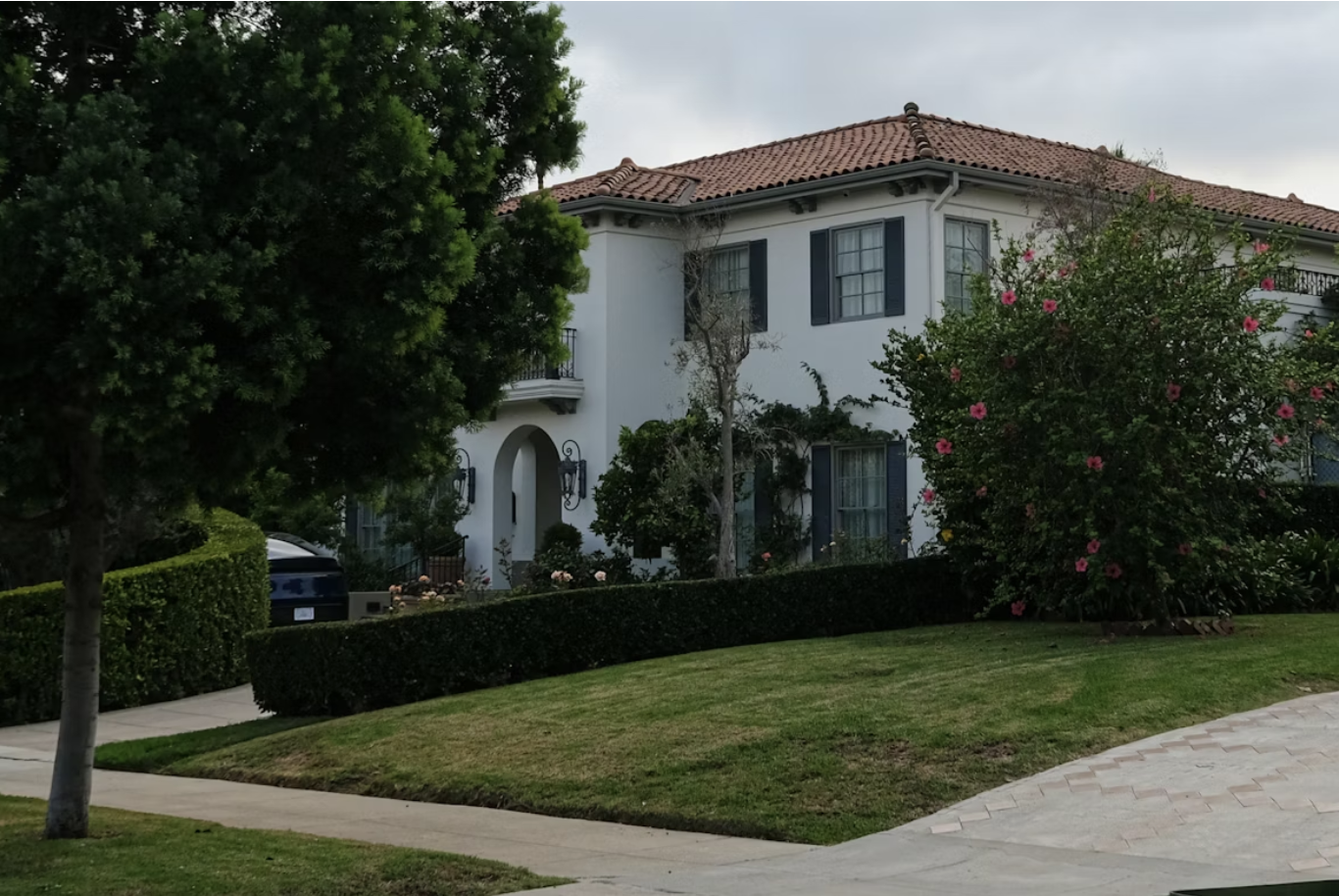
When comparing Silver Lake to other neighborhoods, the price difference often comes down to lot size. For instance, homes in Los Feliz generally sit on more expansive lots on average, particularly in the hills above Los Feliz Boulevard and in the streets adjacent to Griffith Park. The streets typically carry less foot traffic after dinner compared to Silver Lake.
The architecture matters too, and not just aesthetically. A mid-century modern home on a Silver Lake hillside lives differently than a Craftsman bungalow in Los Feliz or a newer build in Highland Park in terms of maintenance, natural light, outdoor space, and how the home relates to its surroundings.
The commute math is worth taking seriously across all of these neighborhoods. Echo Park's position puts Downtown Los Angeles roughly one mile closer in typical traffic than Silver Lake.
Los Feliz is a bit farther north, located near Griffith Park, putting your commute to Downtown Los Angeles at about seven miles one-way. Atwater Village and Glassell Park are positioned near the 5, which makes Downtown commutes competitive but sends Westside trips in the wrong direction entirely. Highland Park is the furthest east of the group, and while the 110 provides a freeway option toward Downtown, Westside and mid-city commutes from there are longer.
Silver Lake sits in the middle of all of this. Buyers who commute to Downtown more than a couple of days a week should run the calculation honestly for each neighborhood before they decide.
When comparing Silver Lake to nearby areas, most buyers who end up living in Silver Lake did not choose it solely because it won a feature comparison — they chose it because the Silver Lake Reservoir Loop, the Sunset Junction foot traffic, or the specific character of a hillside street connected with how they actually want to spend time at home. That is harder to stress-test on paper than square footage or commute time.
The most useful step you can take before committing to any of these neighborhoods is to spend an ordinary weekday morning there. Walk from a prospective address to a coffee shop. Try parking on a Friday night. See whether the energy makes you feel at home or like you want to keep looking. That answer will tell you more than any side-by-side table. Not one of these comparisons is simple, and reducing them to a single dimension — price, convenience, character — leaves out too much that matters.
The best decisions about where to live come from real knowledge of a place, not just a listing search or a single afternoon outing. Silver Lake rewards the people who take time to understand it: to discover the Silver Lake Reservoir on a weekday, to sit in a few different coffee shops, and to notice what the neighborhood feels like at different hours and on different blocks.
If living in Silver Lake is your dream, when you're ready to take the next step and begin your real estate journey with expert insight by your side, reach out to me, Carolina Kramer. I'd be glad to help you find your place.