
Silver Lake is one of Los Angeles's most architecturally rich and creatively driven neighborhoods — and one of its most supply-constrained real estate markets. Hillside terrain limits new development, buyers here are design-savvy and well-resourced, and value is driven by Silver Lake-specific factors.
This guide covers everything that shapes how Silver Lake real estate works: pricing, architecture, buyer expectations, financing, and what it takes to sell well here.
TABLE OF CONTENTS
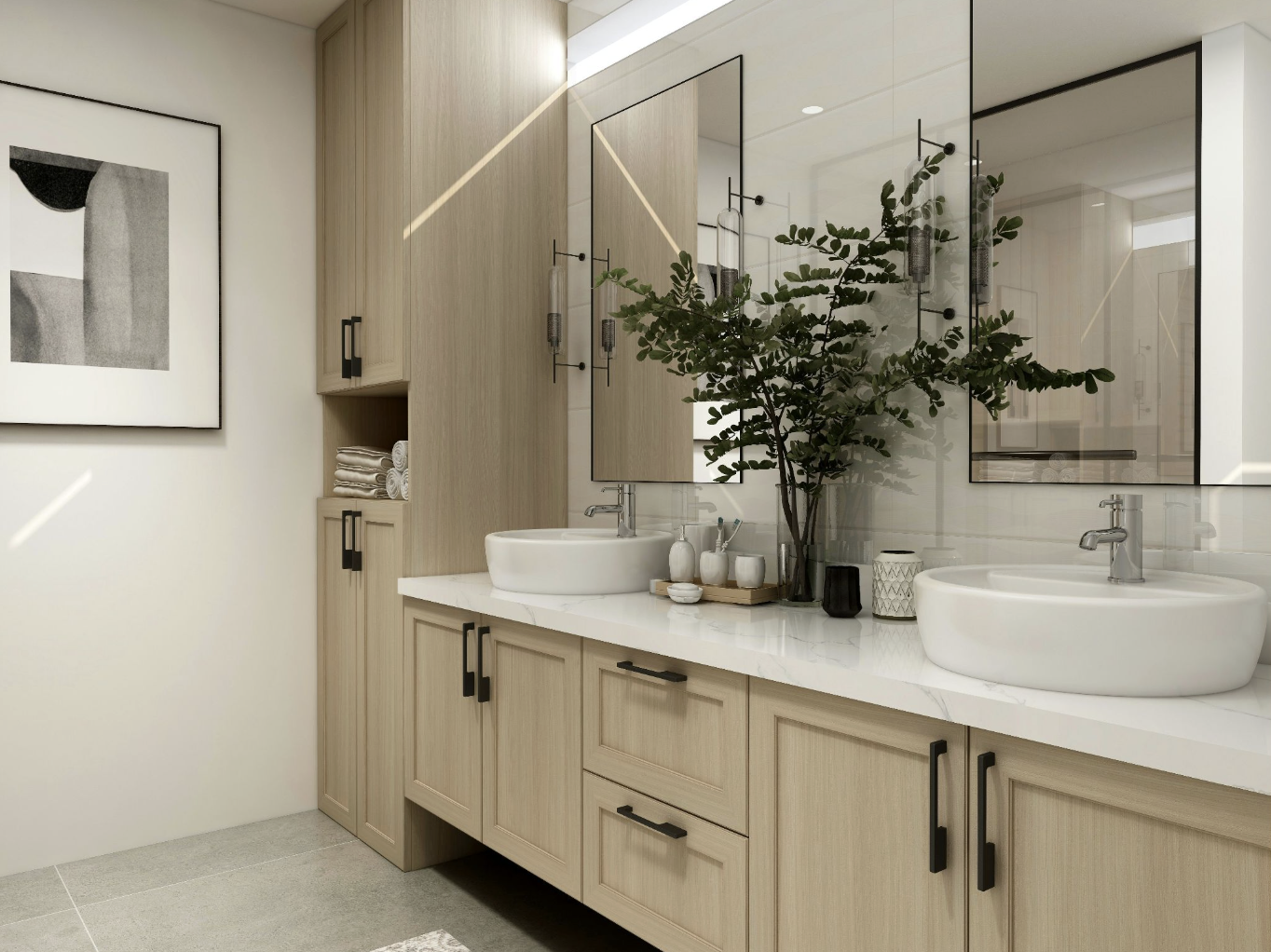
Silver Lake is a low-inventory, high-demand market where supply stays tight by nature and value is driven by site-specific factors that broad neighborhood data won't capture.
Inventory stays low because the hillside terrain limits new development, which keeps prices supported even when the broader LA market softens.
Buyers here tend to be design-savvy and well-resourced, with a notable share paying cash or using jumbo loans.
What a home is worth depends far more on its specific location, views, and architectural character than on neighborhood-wide averages.
Even when the broader LA market softens, Silver Lake's hillside terrain and limited lot supply keep prices supported; demand is steady year-round.
Silver Lake spans about 2.72 square miles and is home to around 30,000 residents. Much of the neighborhood sits on hillside terrain that simply doesn't lend itself to new development, which means the pool of available homes stays small. When a well-prepared home hits the market at the right price, serious buyers show up quickly — and that dynamic works strongly in a seller's favor.
The buyers you're competing with — or selling to — in Silver Lake are not your typical LA homebuyers. This neighborhood draws people who care deeply about architecture, design, and the character of a space. Many are experienced buyers, and a meaningful number are paying cash or working with jumbo financing. That mix means the market is less sensitive to interest rate swings than more affordable parts of the city, though it's not entirely sheltered from them.
Broad neighborhood data will only get you so far in Silver Lake. A few blocks, a partial reservoir view, or a permitted guest unit can shift a home's value by six figures. The real drivers are reservoir adjacency, how the home sits on its lot, architectural period, and walkability to corridors like Sunset Junction and Silver Lake Boulevard. You can start getting a feel for the range by browsing current listings on my Silver Lake neighborhood page.
Accurate pricing in Silver Lake starts with a tight comparable sale analysis — recent closed sales near your home, adjusted for the specific factors that move value here, like reservoir views, usable outdoor space, and ADU status.
Good pricing starts with recent closed sales near your home — not active listings, and not neighborhood-wide averages.
Features like reservoir views, flat usable yard space, a legal guest unit, and walkability all need to be factored in individually.
Pricing even slightly too high can cost you weeks on market and often leads to a lower final sale price than a well-calibrated opening number.
The foundation of a solid pricing analysis is what has actually sold near you — ideally five to eight closed sales within a quarter mile over the past three to six months. If inventory has been thin, you may need to widen that search slightly, but any adjustments for distance or timing need to be thoughtful and well-documented. Active listings tell you what sellers are hoping for; closed sales tell you what buyers actually paid.
Once you have your comparable sales, each one needs to be adjusted for the things that genuinely shift value in this neighborhood. Pricing a Silver Lake home means accounting for all of these individually:
Views: A home with a direct reservoir view, a partial view, and no view at all each sit in their own pricing tier.
Usable outdoor space: A flat, functional yard is worth more than raw lot size on a steep slope.
Permitted improvements: Documented renovations hold their value; updates without a paper trail are harder to price in.
Guest units: A legal ADU adds real value — compare nearby sales with and without one to estimate the premium.
Walkability: Proximity to Sunset Junction or Silver Lake Boulevard carries a premium, though being directly on a busy street can offset some of that.
Parking: Secure garage access matters more here than in neighborhoods where street parking is plentiful.
Silver Lake's architectural character is defined by four distinct styles — mid-century modern, Spanish Revival, Craftsman bungalow, and contemporary small-lot — each with its own buyer profile, maintenance reality, and resale dynamic.
The neighborhood's hillside terrain means architectural style and site are deeply connected — how a home captures light and views is shaped by when and how it was built.
Historic styles like mid-century modern, Spanish Revival, and Craftsman each attract distinct buyer profiles and have their own maintenance considerations.
Original period details — tile, woodwork, built-ins, ironwork — are genuine value drivers when well-preserved.
Newer small-lot and contemporary homes offer low-maintenance ownership and strong design appeal, but quality of execution varies widely.
Silver Lake has a remarkable concentration of mid-century modern architecture, with homes by Richard Neutra, John Lautner, and their contemporaries scattered across the hillsides. These homes — flat roofs, post-and-beam construction, large glass walls, and open plans — were designed to blur the boundary between inside and outside and to frame the views the neighborhood is known for.
Spanish Revival homes work very differently: thick stucco walls, clay tile roofs, arched openings, and rooms organized around courtyards create a quieter, more private feel that appeals to a different kind of buyer entirely. Craftsman bungalows, with their wide covered porches, exposed rafters, and handcrafted woodwork, tend to attract buyers who want warmth and character above all else.
Newer infill homes in Silver Lake are multi-level homes on compact lots, with clean lines, large windows, and rooftop decks standing in for traditional backyards. Living spaces are typically positioned on upper floors to take advantage of views and light, while bedrooms sit lower for privacy.
For buyers who want a single-family feel with minimal maintenance and a design-forward aesthetic, these homes are genuinely appealing.
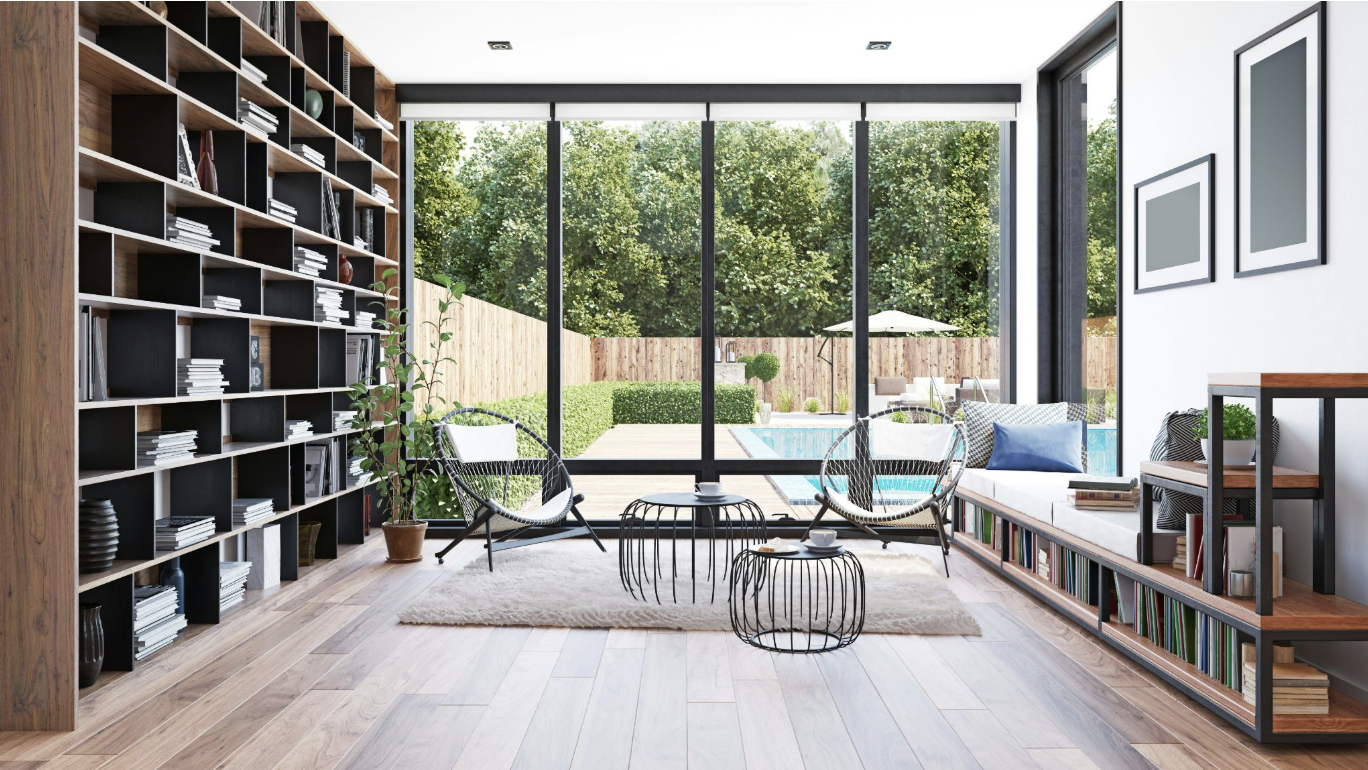
Silver Lake buyers are looking for homes that combine thoughtful design with practical livability, like indoor-outdoor flow, natural light, dedicated workspace, and energy efficiency.
Indoor-outdoor flow is one of the most searched-for qualities in Silver Lake, where the climate makes year-round outdoor living genuinely practical.
Energy efficiency and smart home technology have moved from nice-to-have to expected in this market.
Natural light, open floor plans, and dedicated workspace are consistently among the top priorities for today's buyers.
Unique architectural features and proximity to neighborhood amenities are significant differentiators in a competitive search.
Silver Lake's mild Southern California climate means outdoor living spaces aren't a luxury — they're a core part of how people use their homes here. Buyers are drawn to properties that create a seamless connection between interior and exterior, whether through retractable glass walls, well-designed patios, rooftop decks, or landscaped yards.
Patios, decks, or balconies with privacy and usable square footage.
Outdoor kitchens or areas set up for entertaining.
Low-maintenance landscaping suited to the Southern California climate.
Direct access from main living areas to outdoor spaces.
Buyers in Silver Lake respond strongly to homes that feel open and bright. Large windows, skylights, and open floor plans that connect kitchen, dining, and living areas rank consistently high on buyer priority lists.
Dedicated home office space has also become a firm expectation; buyers want rooms or flexible spaces that function as a productive workspace without sacrificing bedroom count.
Environmental awareness and practical cost savings are both driving demand for energy-efficient features. Solar panels, high-performance windows, energy-efficient appliances, and smart thermostats are increasingly expected rather than exceptional. Integrated smart home systems — security, lighting, and climate control that can be managed remotely — are a baseline feature at this price point.
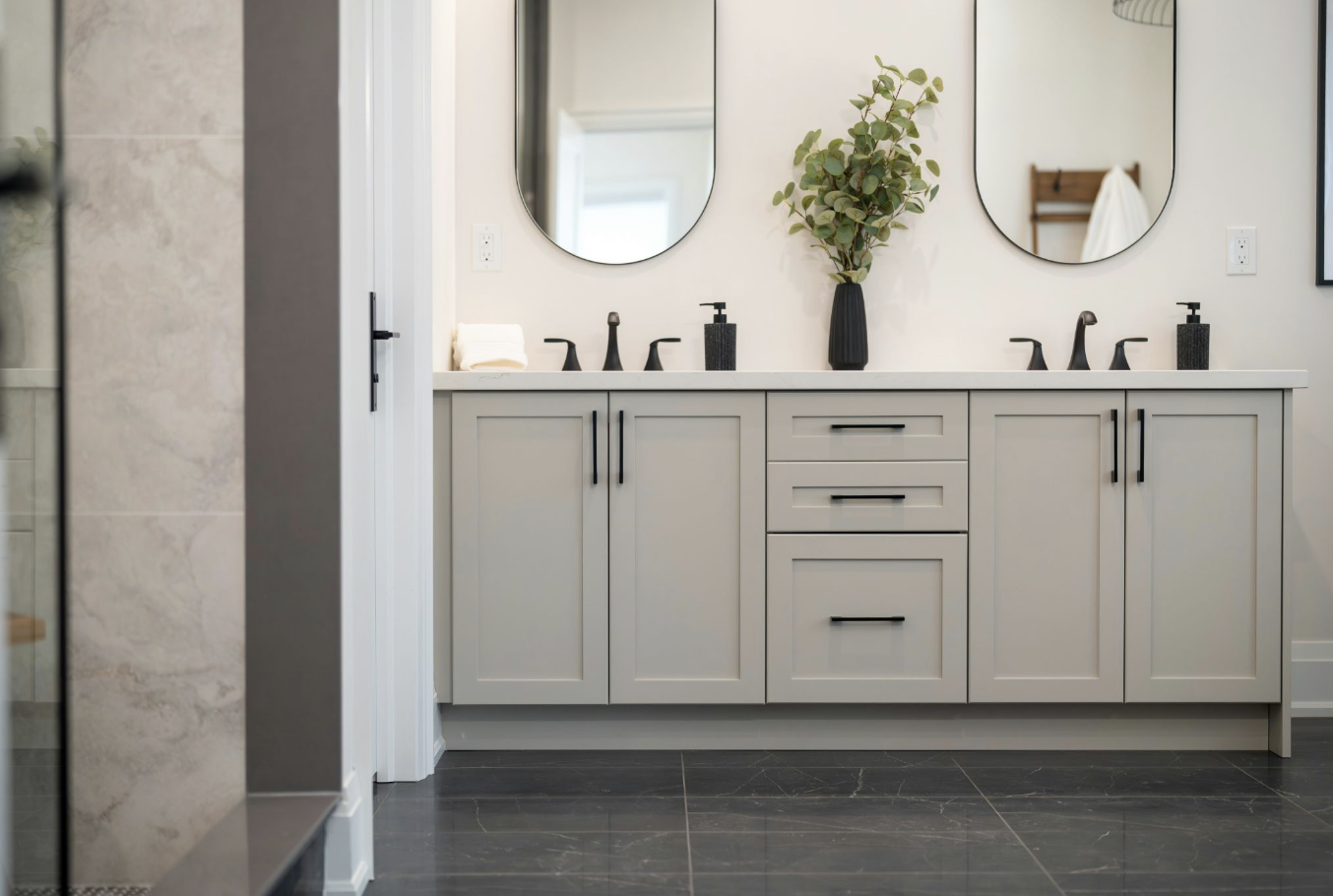
Silver Lake’s biggest home design trends right now include mid-century-influenced renovations using natural materials and highly personalized interiors that lean into the neighborhood's creative identity.
Mid-century modern principles continue to influence how Silver Lake homes are designed and renovated, with an emphasis on natural materials and indoor-outdoor flow.
Sustainability has moved from a trend to a standard expectation, with eco-friendly materials and energy-efficient features now common in both new builds and renovations.
Eclectic, personalized interiors that reflect individual taste are celebrated here in a way that sets Silver Lake apart from more homogeneous LA neighborhoods.
Wellness-oriented spaces — home gyms, spa bathrooms, meditation areas — are an increasingly common feature in Silver Lake homes.
Mid-century modern design remains the dominant aesthetic influence in Silver Lake, and it shows up not just in original homes but in how newer properties and renovations are approached. Clean lines, natural materials like wood and stone, open floor plans, and a deliberate connection to the outdoors are hallmarks of this approach. Homeowners here are drawn to design that feels timeless rather than trendy — and that sensibility runs through everything from kitchen finishes to how outdoor spaces are framed.
Eco-friendly design has become genuinely mainstream in Silver Lake. Reclaimed wood, recycled materials, and low-water landscaping are common choices in renovations, while solar panels and energy-efficient systems are increasingly standard at this price point. These features appeal to buyers on multiple levels — they reduce environmental impact, lower utility costs, and add marketable value.
One of the things that makes Silver Lake interiors distinctive is how fully homeowners embrace individuality. Vintage furniture alongside contemporary pieces, bold artwork, statement lighting, and curated collections are common expressions of the neighborhood's creative identity.
There's also a growing emphasis on wellness — dedicated home gyms, spa-like bathrooms, and quiet meditation areas are showing up more frequently in both renovations and buyer wish lists. Smart home technology ties it together, with integrated systems for lighting, security, and climate control now a standard expectation rather than a premium feature.
Small-lot homes in Silver Lake are typically fee-simple ownership — you own the land and the structure outright. Most come with shared driveways, CC&Rs, and easements that govern maintenance responsibilities.
Small-lot homes are typically fee-simple ownership — you own the land and the structure — which distinguishes them from condos and simplifies some aspects of financing.
Most small-lot communities have shared driveways, easements, and CC&Rs that govern maintenance responsibilities and shared costs.
Parking, outdoor space, and storage are more limited than in traditional single-family homes — knowing what to expect helps you evaluate properties accurately.
Due diligence is especially important: reviewing CC&Rs, permits, assessments, and title early protects you from costly surprises.
Small-lot homes are created through LA's small-lot subdivision process, which allows homes to be built on individually deeded parcels smaller than traditional zoning would permit. The key distinction from a condo is that you typically own your lot and structure outright — fee-simple ownership — which often makes conventional financing more straightforward. Lenders will still review shared agreements carefully, so understanding those documents early matters.
Most small-lot communities have recorded easements, shared maintenance agreements, and CC&Rs governing driveways, landscaping, exterior elements, and assessments. Before writing an offer, make sure you have:
The recorded parcel map and any CC&Rs, easements, and maintenance agreements.
Current assessment amounts, the project budget, and any reserve study.
Permit history and the certificate of occupancy.
Master insurance for shared elements and any open disputes or special assessments.
Small-lot homes in Silver Lake use vertical layouts — entry or garage at ground level, living spaces in the middle, bedrooms above. Outdoor areas are compact: a patio, narrow side yard, or rooftop deck. Parking varies from tuck-under garages to tandem spaces, and street parking in Silver Lake is competitive, so confirming your assigned parking situation before you buy is more important here than in most neighborhoods.
Most Silver Lake buyers are financing above conforming loan limits, which means jumbo loans are the norm. These mortgages often come with stricter credit requirements, larger down payments, and more documentation than a standard conventional loan, so knowing what lenders will expect before you start shopping matters.
Most Silver Lake buyers need a jumbo loan, which comes with stricter credit and down payment requirements than a conventional conforming loan.
Fixed-rate mortgages offer payment stability that makes sense for buyers planning to stay long-term in a neighborhood with strong appreciation history.
Pre-approval is essential in this market — sellers take offers from pre-approved buyers far more seriously, especially when multiple offers are involved.
Shopping multiple lenders can lead to meaningfully better terms at Silver Lake price points.
Most Silver Lake buyers are financing amounts that exceed conforming loan limits, which means jumbo loans are the norm here. Jumbo loans require a stronger credit profile, a larger down payment, and more thorough documentation — but they let you buy in a high-value market without being capped. Fixed-rate mortgages are the most popular choice: locking in a consistent monthly payment makes long-term financial planning more predictable in a neighborhood with a strong appreciation track record.
Pre-approval is not optional in Silver Lake. In a market where well-priced homes can attract multiple offers within days, pre-approval signals financial readiness in a way that pre-qualification simply doesn't.
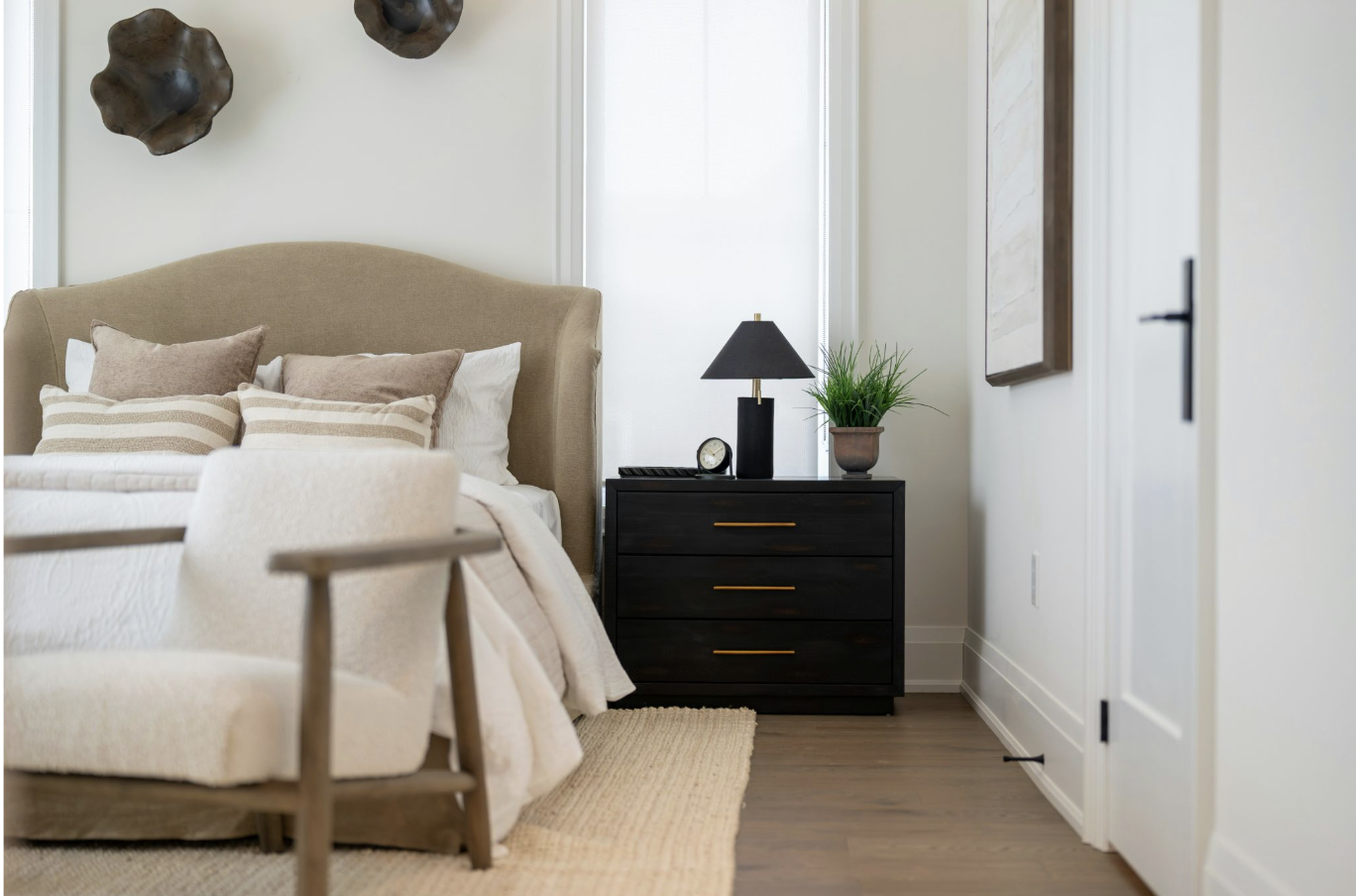
Silver Lake is more insulated from rate swings than most LA neighborhoods because a meaningful share of its buyers use cash or jumbo financing. However, interest rate changes can still slow the market, reduce multiple-offer situations, and shift leverage toward buyers.
When rates rise, the pool of financed buyers shrinks and homes tend to stay on the market longer — but Silver Lake's low inventory and cash-buyer base cushion price drops more than in other neighborhoods.
When rates ease, buyer activity accelerates quickly — more showings, faster timelines, and stronger offers tend to follow within weeks.
Rate changes affect entry-level Silver Lake properties more acutely than mid-to-high tier homes, where cash and jumbo buyers are more prevalent.
Understanding where rates are in their cycle helps both buyers and sellers set realistic expectations.
When mortgage rates rise, some buyers are priced out entirely and others lower their target price range. Silver Lake is more resilient than most LA neighborhoods because a meaningful share of its buyers aren't relying on rate-sensitive financing.
Rising rates still slow activity here, though — fewer multiple-offer situations, more negotiation, and occasional seller concessions like rate buydowns or closing cost credits become more common. When rates ease, the market responds quickly: more showings, more offers, and a faster pace of sales within weeks.
Calculate what a half-percent rate change means for your monthly payment before you start shopping.
In a rising rate environment, consider whether a seller-paid temporary rate buydown is worth negotiating for.
Search slightly below your maximum budget so you have flexibility if rates shift before you lock.
A modest price adjustment or closing cost credit can widen your buyer pool more effectively than holding firm.
High-quality presentation and precise pricing matter even more when the financed buyer pool is smaller.
The first two weeks are still your most valuable window — don't waste them testing a price you're not committed to.
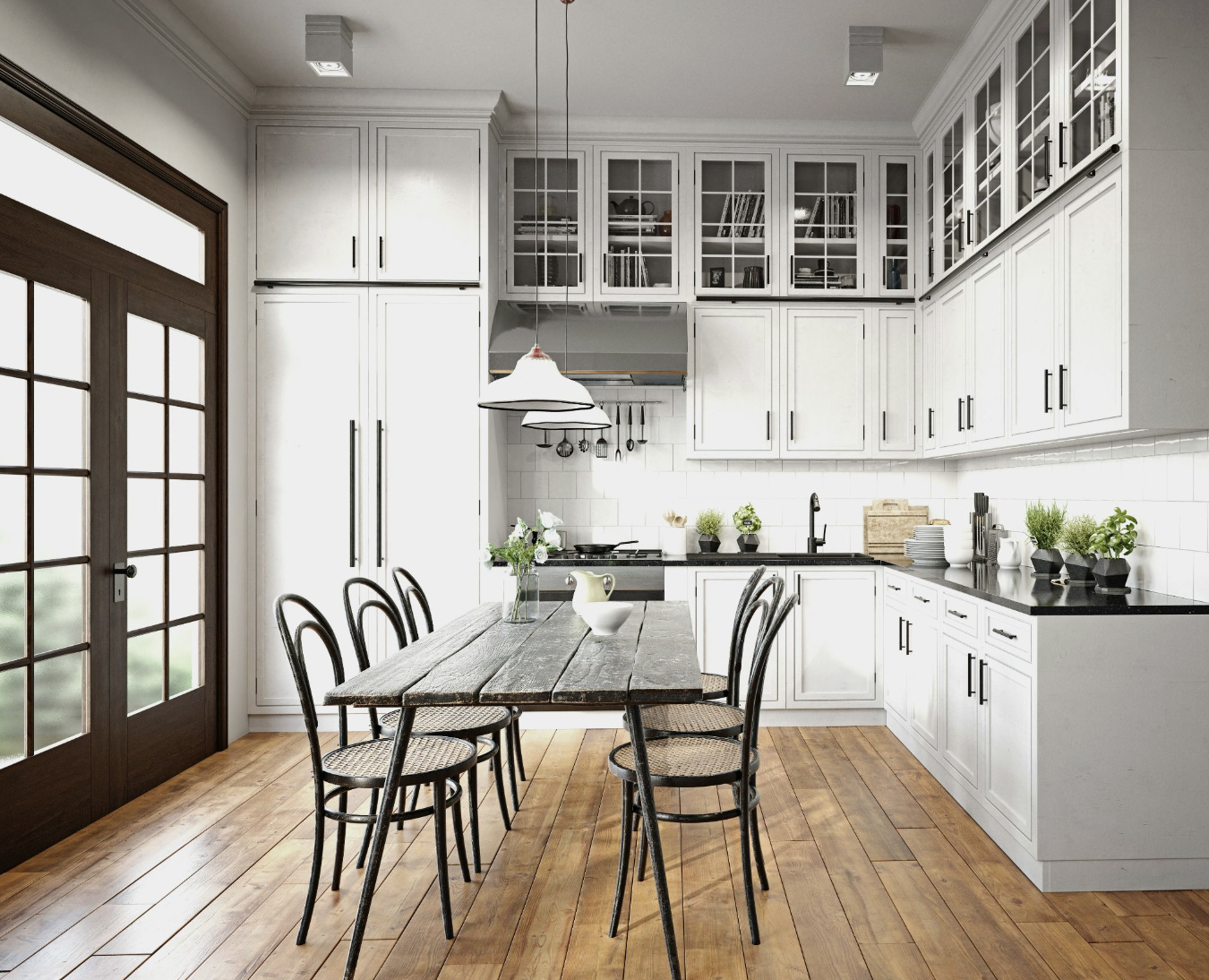
Selling a home in Silver Lake successfully comes down to preparation, pricing, and presentation — and in this neighborhood, all three need to reflect the character and quality that buyers here expect.
Understanding the current market before you list — who's buying, what they value, and what comparable homes have sold for — is the foundation of everything that follows.
Staging and presentation require more than decluttering; Silver Lake buyers respond to architectural character, outdoor spaces, and design-forward styling.
Negotiation involves more than price — contingencies, timelines, and buyer qualifications all matter, especially in a multi-offer situation.
Working with experienced local professionals reduces friction and protects you through closing.
Buyers in Silver Lake are attuned to design, and how a home is staged and presented has a measurable impact on both interest and offers. Key steps that consistently make a difference:
Addressing deferred maintenance before listing — Silver Lake buyers order their own inspections and flag issues quickly.
Highlighting permitted upgrades and documented improvements in your marketing.
Enhancing outdoor spaces, which carry significant weight with buyers here.
Using photography and video that captures light, flow, and architectural detail.
Whether you're buying, selling, or still figuring out your next step, I'd love to help you navigate it. I'm Carolina Kramer , and I specialize in Silver Lake real estate with a data-driven approach and a genuine passion for this neighborhood. Reach out whenever you're ready — there's no pressure, just honest guidance tailored to your situation.