
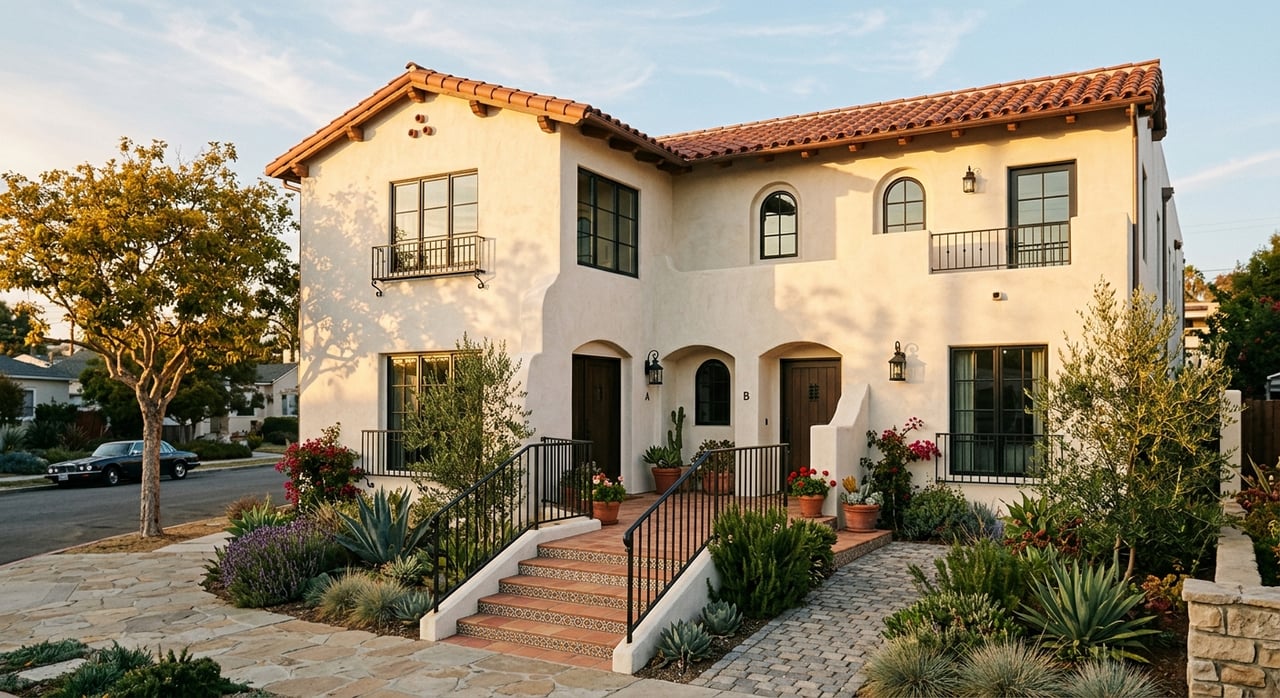
Looking for a duplex or triplex in Silver Lake can feel exciting and a little tricky at the same time. You may be hoping to live in one unit, offset your payment with rent, or buy a small income property in one of LA’s most design-minded neighborhoods. The good news is that with the right due diligence, Silver Lake can offer compelling small multifamily options. Let’s dive in.
Silver Lake Small Multifamily Basics
Silver Lake is not a cookie-cutter housing market, and that matters when you start comparing duplexes and triplexes. The neighborhood sits within the Silver Lake-Echo Park-Elysian Valley Community Plan area, where the housing stock spans many periods and property types.
That means you should expect variety rather than one standard building style or layout. In Silver Lake, a duplex on one block may feel completely different from a triplex a few streets away because topography, lot shape, and development patterns change so much across the neighborhood.
What the housing stock looks like
SurveyLA identifies a broad mix of residential resources in the area, including single-family homes and multifamily properties. Within the Silver Lake Residential Historic District, most residences were built between 1925 and 1970 and reflect styles like Mid-Century Modern, Minimal Traditional, Tudor Revival, and Spanish Colonial Revival.
That same district also includes a small number of duplexes and triplexes. SurveyLA also recorded the Silver Ridge Duplex Historic District and other small multifamily formats such as fourplexes, bungalow courts, apartment houses, courtyard apartments, and garden apartment complexes.
Why no two properties feel the same
Silver Lake’s hillsides and irregular parcels create a very site-specific buying experience. A small multifamily property may have stacked units, side-by-side units, split-level access, or outdoor stair connections that affect privacy, storage, parking, and livability.
For you as a buyer, that means the floor plan is only part of the story. Access, grade, outdoor space, and legal configuration can matter just as much as bedroom count.
Why Duplexes Often Make the Easiest Entry
If you plan to owner-occupy, duplexes are often the simplest small multifamily starting point. They can still provide rental income, but the financing path is usually more flexible than it is for three- or four-unit properties.
Fannie Mae’s current eligibility matrix shows maximum loan-to-value of 85.01% for a 2-unit principal residence, while 3- to 4-unit principal residences drop to 75.01%. Freddie Mac’s guide shows up to 95% for 2-unit primary residences, and up to 95% or 80% for 3- to 4-unit primary residences depending on the underwriting channel.
FHA and low-down-payment options
FHA financing can apply to one- to four-family owner-occupied principal residences. HUD states that FHA down payments can be as low as 3.5% on 1- to 4-unit properties.
That said, there is an extra wrinkle for 3-unit and 4-unit purchases. HUD applies a self-sufficiency test based on projected rental income, which can make those purchases harder to qualify for than a duplex.
How lenders usually count rent
When you buy a 2- to 4-unit primary residence, lenders generally do not count projected rent dollar for dollar. Fannie Mae DU guidance shows that projected rent is generally counted at 75% of gross rent.
That gap matters. If you are stretching to qualify, a property that looks good on paper may not help your debt-to-income ratio as much as you expect.
What to Watch With Triplexes
Triplexes can be attractive because they offer more income potential than a duplex. If you are comfortable with a larger upfront investment and more moving parts, they can be a strong long-term hold.
Still, triplexes often require more cash, stronger underwriting support, and closer review of tenant and rent details. In practical terms, that means you should be especially careful about relying on optimistic rental assumptions when evaluating the numbers.
Focus on underwritable income
A clean triplex story is usually easier for a lender and for you. Think legal unit count, documented permit history, and a realistic rent roll that does not depend on best-case projections.
This is especially important in Silver Lake, where older buildings can have unusual layouts or historical context that adds complexity. The property may be charming, but it still needs to make sense on paper.
Rent Control Can Change the Numbers Fast
In Los Angeles, older duplexes and triplexes can operate very differently from newer ones. Before you make an offer, you need to understand whether the property falls under the city’s Rent Stabilization Ordinance, often called the RSO.
LAHD states that the RSO generally applies to rental properties first built on or before October 1, 1978, including duplexes and two or more single-family dwelling units on the same parcel, as well as ADUs and JADUs. The ordinance regulates rents and evictions.
RSO versus non-RSO properties
For buildings not covered by the RSO, LAHD says the city’s Just Cause Ordinance covers most non-RSO residential properties, including many units built after October 1, 1978. LAHD also notes that the JCO does not regulate rent increases.
California’s AB 1482 may add a statewide rent-cap and just-cause layer for many non-exempt units. The result is that two similar-looking properties in Silver Lake may have very different operating rules depending on age, tenancy, and exemption status.
Why tenant status matters
Los Angeles planning materials note that the RSO permits vacancy decontrol, meaning rent can be reset to market when a unit turns over. But for existing tenants, regulated rent increases and notice rules still apply.
That means a property’s current income may not tell you the whole future story. A fully occupied triplex with long-term tenants can pencil very differently from one with recent turnover.
What to verify before escrow moves forward
Before making an offer, verify these points carefully:
- Rent-control status
- Current rent roll
- Existing tenant situation
- Notice history, if applicable
- Legal unit count
- Permit history
LAHD also says RSO termination notices must be filed within three business days, and no-fault evictions require relocation assistance. Those details can materially affect both timing and costs.
Location Within Silver Lake Matters
Silver Lake is not one uniform rental submarket. The neighborhood council identifies a commercial core centered on Silver Lake Village and a reservoir-focused northeast region, while the City Council office highlights the Silver Lake Reservoir and the area’s historic staircases that connect hillside streets.
In practical terms, location can shape both your daily lifestyle and your tenant demand. A property near retail, dining, and reservoir-adjacent amenities may attract different interest than a more isolated hillside property.
Think beyond the unit count
When you compare options, ask how the specific location changes the experience. Walkability, access, parking, hillside stairs, street width, and grade can all influence desirability and operations.
This is one reason Silver Lake duplexes and triplexes should be evaluated one by one. A better layout in a less convenient location may not outperform a smaller property with stronger access and neighborhood connectivity.
What Current Market Data Suggests
As of late spring 2026, Zillow reports an average Silver Lake home value of $1,471,714 and says homes go pending in about 19 days. Redfin shows a three-month median sale price of about $1.4 million and about 34 days on market.
For rental context, RentCafe reports an average Silver Lake apartment rent of $2,423, with about $2,458 for one-bedroom units and $2,736 for two-bedroom units. That data reflects apartment buildings with 50 or more units, so it is best used only as a rough benchmark when thinking about a duplex or triplex.
How to use the data wisely
These figures can help you frame the market, but they should not replace property-specific underwriting. A small multifamily building in Silver Lake may command very different rents based on layout, updates, parking, outdoor space, and rent-control status.
That is why the best analysis starts with the actual building, not a neighborhood average. Broad averages are helpful for context, but not enough for a confident purchase decision.
Due Diligence Steps That Matter Most
Silver Lake rewards careful buyers. Because older small multifamily properties may involve zoning, permitting, or historic-review issues, your diligence process should go deeper than it would for a standard condo purchase.
The City recommends using ZIMAS to check zoning, land use, planning applications, and permit history. You should also confirm the legal unit count through the city’s Certificate of Occupancy and permit records.
Key checks before you buy
Use this checklist as a starting point:
- Confirm the legal number of units
- Review permit and Certificate of Occupancy records
- Check zoning and planning overlays in ZIMAS
- Verify whether the property is subject to RSO or other rules
- Review the current rent roll and tenant occupancy
- Compare projected rent with lender underwriting standards
- Assess site access, parking, storage, and outdoor space
Because Silver Lake includes historic districts and planning districts, older buildings may involve more review friction than newer infill properties. That does not mean you should avoid them. It simply means you should go in with clear eyes.
A Smart Buying Strategy for Silver Lake
For many buyers, the cleanest path is a legally documented 2-unit or small 3-unit property with known rent-control status, clear permit history, and a layout that lenders can comfortably underwrite. That approach helps reduce surprises while still giving you flexibility as an owner-occupant or buy-and-hold investor.
The biggest mistakes are usually simple. Buyers treat all units as equal, assume rent counts dollar for dollar, or wait too long to investigate historic and planning issues.
If you want a Silver Lake duplex or triplex to work as both a home and an investment, details matter. The right property is not just the one with the highest headline income. It is the one with the clearest documentation, the most workable financing path, and the location story that supports long-term value.
If you want help evaluating a Silver Lake duplex or triplex with a sharper eye on layout, rent rules, and neighborhood fit, connect with Carolina Kramer for thoughtful, data-informed guidance.
FAQs
What makes buying a duplex in Silver Lake easier than buying a triplex?
- Duplexes are often easier to finance for owner-occupants because conventional loan programs may allow higher loan-to-value limits on 2-unit primary residences than on 3-unit properties.
What rent control rules should you check before buying a Silver Lake triplex?
- You should verify whether the property is covered by Los Angeles RSO, review the current rent roll and tenant situation, and understand any notice or relocation requirements that may apply.
What types of duplexes and triplexes are common in Silver Lake?
- Silver Lake has a mix of small multifamily properties from different eras, including duplexes, triplexes, bungalow courts, courtyard apartments, and other compact multifamily formats.
What market data should you use when underwriting a Silver Lake small multifamily property?
- Use neighborhood sales and rent data for context, but base your decision on the specific property’s legal unit count, permit history, layout, rent-control status, and realistic lender treatment of rental income.
What city records should you review before buying a Silver Lake duplex or triplex?
- Check zoning, land use, planning applications, and permit history through city tools like ZIMAS, and confirm the legal unit count through Certificate of Occupancy and permit records.