
A Seller's Guide to Pricing, Preparation, and Getting the Best Outcome in This Market
Selling a home in Silver Lake, Los Angeles, requires a different kind of strategy than selling in most of Los Angeles. Silver Lake is a neighborhood in the eastern part of the city, situated near Los Feliz, Echo Park, and Atwater Village, centered around the Silver Lake Reservoir and primarily spanning the 90026 and 90039 ZIP codes.
The Silver Lake housing stock ranges from mid-century modern homes to post-war bungalows, hillside properties with canyon and city views, and multi-family parcels with ADU income potential. Each property type draws a specific buyer, and reaching that buyer requires a marketing approach built around what makes your home singular, not generic.
Silver Lake home buyers are among the most design-literate in Los Angeles. They know the architecture, they've researched the market, and they're choosing Silver Lake specifically because of its architectural identity, convenient corridors along Sunset Boulevard and Glendale Boulevard, and proximity to Los Feliz, Echo Park, and Atwater Village.
How you present your home, how you price it, and how you time your entry into the market all carry more weight here than they do in neighborhoods where the housing stock is more uniform and buyer preferences are easier to predict. Homes in Silver Lake that are accurately priced and well-presented typically go under contract within two to three weeks, with the strongest listings receiving offers within the first seven to ten days.
I'm Carolina Kramer, a Coldwell Banker real estate agent specializing in Silver Lake, Los Feliz, Hollywood Hills, Hancock Park, and the surrounding Los Angeles market. My background in geography, urban development, and sustainable design gives me a precise understanding of what Silver Lake’s buyers are evaluating and what they're willing to pay for. This guide will walk you through every stage of selling your Silver Lake home, from preparing your property to negotiating offers and closing with confidence.
Accurate pricing in Silver Lake requires a nuanced comparable sales analysis that accounts for architectural character, lot position, and ADU presence — not just square footage.
Staging for Silver Lake's design-forward buyer pool is about amplifying your home's architectural identity, not neutralizing it.
Inspection preparation is especially important in Silver Lake real estate, where hillside-specific conditions and older housing stock regularly surface issues that affect negotiations.
Marketing a Silver Lake listing means reaching visually sophisticated buyers with photography, copy, and outreach that reflect what makes your property specific.
Working with a Silver Lake listing agent who understands the neighborhood's buyer pool and what drives premium pricing gives you a measurable advantage.
Original architectural features that have been well-preserved, including exposed beams, clerestory windows, terrazzo floors, and period-appropriate hardware.
Reservoir views, canyon views, or city light views from primary living spaces or outdoor areas.
ADUs that are fully permitted, well-finished, and rental-ready or currently generating income.
Solar systems that are owned outright, with documented production history and utility savings — a value driver for Silver Lake's sustainability-minded buyer pool.
Outdoor living space, including decks, patios, and usable yard area, particularly on hillside lots along streets like Redesdale Avenue, Rotary Drive, and Micheltorena Street, where flat usable land is scarce.
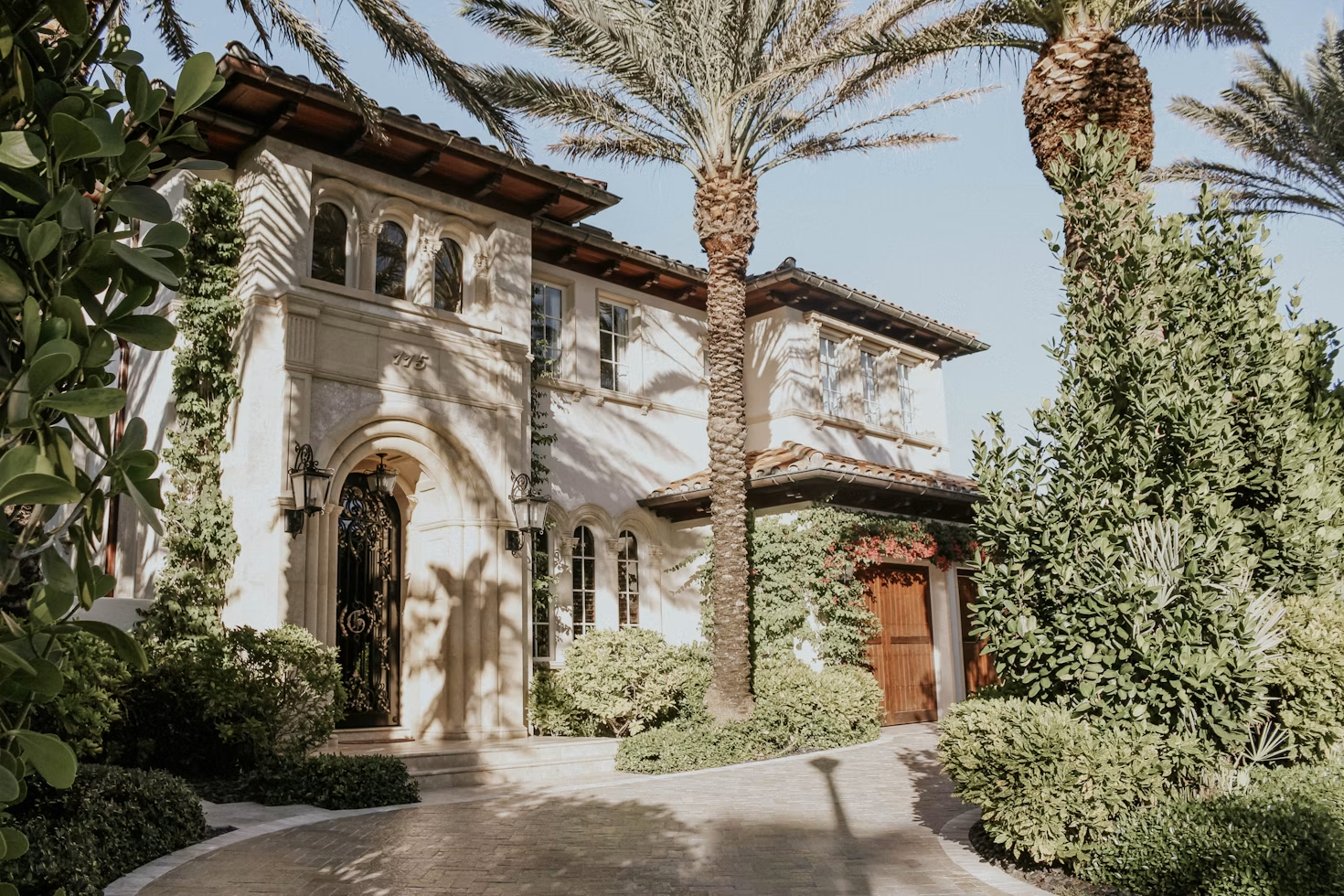
Pricing a Silver Lake home accurately requires a level of market granularity that generic valuation tools cannot provide. Price per square foot comparisons alone are insufficient in Silver Lake real estate because two homes with identical square footage can have dramatically different market values based on lot orientation, architectural character, reservoir or canyon views, and ADU status. Online valuation tools routinely misvalue Silver Lake properties for exactly this reason.
The right pricing strategy for a Silver Lake home starts with a detailed comparable sales analysis using homes that have actually sold in the neighborhood's specific micro-pockets — not just the broader 90026 or 90039 ZIP codes. A sale on Micheltorena Hill is not directly comparable to a sale on a flat street near Glendale Boulevard, even at similar square footage.
Likewise, hillside homes with views command different pricing than reservoir-adjacent properties on Armstrong Avenue, Silver Lake Boulevard, or Silver Lake Drive, while architectural homes with documented provenance trade differently than standard post-war stock. Pricing strategy in Silver Lake should also account for seasonal inventory patterns; the spring market historically produces the largest active buyer pool and the most favorable conditions for generating competing offers.
Overpricing is the single most common — and most costly — mistake Silver Lake sellers make. A home that sits on the market longer than expected loses momentum quickly; buyers in the 90026 and 90039 ZIP codes track listings closely, and a price reduction signals uncertainty.
In Los Angeles, price-reduced homes often sell for less and spend more days on the market than correctly priced listings — a pattern that is amplified in design-forward markets like Silver Lake, where buyer perception of value is closely tied to momentum. Silver Lake homes that are correctly priced at launch consistently outperform those that are reduced, both in final sale price and days on market.
The goal is to enter the market at a price that generates competition, because competing offers almost always produce a better outcome than a single drawn-out negotiation.
Recent closed sales in your specific Silver Lake sub-area, weighted for recency and similarity to your property type and architectural category.
Current active competition: What else is listed right now in Silver Lake that a buyer might compare to your home?
Your home's architectural character and whether comparable sales reflect a similar buyer profile and design period.
Lot size, usable outdoor space, and hillside versus flat positioning relative to the Silver Lake Reservoir and key corridors.
ADU presence, permitting status, and whether it is currently income-producing.
Clear the home of personal items and excess furniture so that the architecture reads cleanly in both photography and in-person showings.
Use staging pieces consistent with the home's era and design language — mid-century furniture in a mid-century Silver Lake home or warm natural materials in a Craftsman or bungalow.
Highlight indoor-outdoor flow — open doors to the deck and patio during showings and ensure that the connection is visible in every photography angle.
Keep landscaping and exterior presentation intentional — first impressions on Silver Lake's hillside streets are formed before a buyer ever steps inside, and drought-tolerant planting signals low-maintenance ownership to an environmentally conscious buyer.
Document and display original architectural features prominently, including original tile work, built-ins, ceiling details, and period hardware.
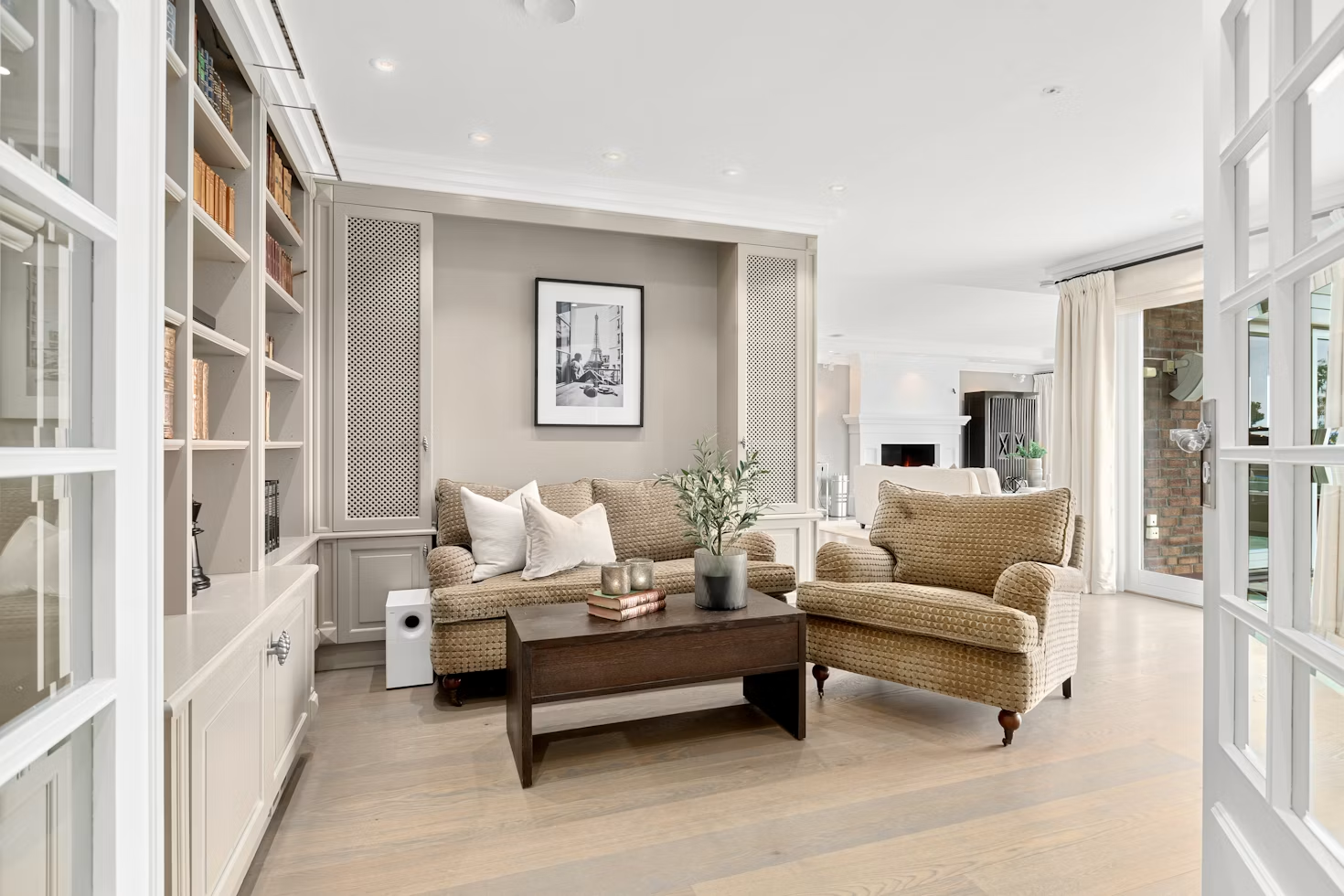
Silver Lake's housing stock skews much older than most Los Angeles neighborhoods; a substantial portion of homes in the 90026 and 90039 ZIP codes were built between the 1930s and 1960s, and hillside properties throughout the neighborhood come with site-specific conditions that buyers' inspectors are trained to identify.
Sellers who understand what will surface in a buyer's inspection before listing have a measurable advantage: they can address issues proactively, control the cost of repairs, and enter escrow without the uncertainty that buyers use to negotiate credits and price reductions.
The most common inspection findings in Silver Lake’s single-family homes involve aging electrical systems, including older panel configurations; original galvanized plumbing supply lines that are at or past functional lifespan; and roofs on homes that have not been updated within the last 15 to 20 years.
Seismic retrofitting status is also a standard area of buyer scrutiny in Silver Lake, where a notable share of the housing stock predates modern earthquake standards. A cripple wall retrofit, if not already completed, is worth addressing before listing. For hillside properties on streets throughout the Silver Lake hills — including areas off Redesdale Avenue, Rotary Drive, and Micheltorena Street — retaining wall condition, drainage systems, and evidence of soil movement or settling are standard areas of inspector focus. None of these conditions are automatically deal-breakers, but all of them become negotiating leverage for the buyer.
A pre-listing inspection, conducted by a qualified inspector before the home goes on the market, gives sellers an accurate picture of the home's condition, allows repairs to be made on the seller's timeline and at their chosen cost, and signals to buyers that the transaction will be straightforward. Silver Lake homes that enter escrow with pre-disclosed or already-remediated inspection items typically close more cleanly than those that do not, with fewer renegotiations and fewer failed transactions.
For Silver Lake homes with ADUs, inspection preparation also includes verifying that the ADU was constructed with proper permits and that its configuration matches what is on record with the City of Los Angeles through LADBS.
Electrical panel condition and whether the current configuration meets current lender and insurance requirements.
Plumbing system age and whether original galvanized supply lines are present and likely to be flagged by a buyer's inspector.
Roof age and condition, with documentation of any recent repairs or full replacement.
Seismic retrofitting status and whether a cripple wall retrofit has been completed or is warranted given the home's age and construction type.
Retaining wall integrity and drainage system function for hillside properties throughout the Silver Lake hills.
ADU permit verification through LADBS records confirming that the current configuration is fully permitted and matches city records.
Professional photography and video, including drone footage for hillside properties with views or significant outdoor space along Silver Lake's canyon streets.
A listing description that names the architectural style, key design features, and specific Silver Lake context — corridors, landmarks, and lifestyle anchors — that matter most to buyers.
Exposure across MLS and Coldwell Banker's national and international marketing network.
Direct outreach to buyer's agents actively working with clients in Silver Lake, Los Feliz, Echo Park, and Atwater Village.
Social media distribution on visual platforms, with photography calibrated to generate organic engagement among Silver Lake's design-forward buyer pool.
The buyer completes all inspections within the contingency period, typically 10 to 17 days after opening escrow.
You review the buyer's requests for repairs or credits and respond based on your pre-listing preparation and current market conditions.
The buyer's lender orders an appraisal; I provide the appraiser with a detailed Silver Lake comp package to support your list price.
Final loan approval, title clearance, and closing disclosure review occur in the final week of escrow.
You sign closing documents, escrow closes, and the proceeds are wired to your account.
The most accurate way to determine what your Silver Lake home is worth is through a detailed comparable sales analysis conducted by a real estate agent with specific knowledge of Silver Lake's micro-markets across the 90026 and 90039 ZIP codes. Online valuation tools routinely misvalue Silver Lake properties because they cannot account for architectural character, hillside lot position, reservoir or canyon views, and ADU income potential — all of which materially affect price in this neighborhood.
I provide Silver Lake sellers with a full comparable sales analysis before listing, including a micro-market breakdown specific to your property type and location.
Spring is historically the strongest listing season in Silver Lake, Los Angeles, driven by peak buyer activity, more daylight for showings, and favorable conditions for open houses on the hillside streets. Silver Lake's persistently limited inventory means that well-prepared, correctly priced homes perform well across all seasons, however. Fall listings can also be highly effective for properties that appeal to buyers motivated to close before year-end. Silver Lake's low inventory means that a correctly priced, well-prepared home listed in any season will find its buyer.
Professional staging is one of the highest-return investments a Silver Lake seller can make, and the reason is specific to this market's buyer pool. Silver Lake buyers are visually attuned — many work in creative and design fields — and a home that is thoughtfully staged to its architectural strengths photographs better, shows with more impact, and creates stronger emotional engagement during tours.
The goal of staging a Silver Lake home is not to make it look generic; it is to make the architectural character that justifies the asking price immediately legible to the buyer.
California law requires sellers to disclose all known material facts about the property, including known defects, permit history for additions and ADUs, prior insurance claims, and any conditions that affect the property's use or value. Required disclosure documents include the Transfer Disclosure Statement, the Natural Hazard Disclosure, and any supplemental disclosures specific to the property's condition and location.
For hillside properties in Silver Lake, required disclosures may also include geological reports, retaining wall conditions, and fire hazard severity zone designations — a relevant consideration for properties in canyon-adjacent areas. I walk every Silver Lake seller through the full disclosure package before listing so that all legal obligations are met.
A pre-listing inspection is one of the most effective risk-management steps a Silver Lake seller can take. Silver Lake's older housing stock and hillside-specific conditions — aging electrical panels, original galvanized plumbing, cripple wall retrofitting status, retaining wall wear, and drainage issues — regularly surface in buyers' inspections and become negotiating leverage.
A pre-listing inspection, conducted before the home goes on the market, lets you address those items proactively on your own timeline. It signals to buyers that the transaction will be clean and straightforward.
Silver Lake is one of the most architecturally distinctive and consistently in-demand neighborhoods on the Eastside of Los Angeles, and the difference between a good outcome and a great one comes down to pricing precision, preparation, presentation, and the caliber of representation you have at the table. When all four are aligned, Silver Lake delivers results that reflect the full value of what you've built.
I bring the market knowledge, the analytical rigor, and the attention to detail that Silver Lake sellers need. If you're thinking about listing your home — whether that's in the next 90 days or the next 12 months — connect with me, and let's have a conversation about what your property is worth and what a strong exit looks like for you. Call me at (310) 890-6494 to begin the journey.