
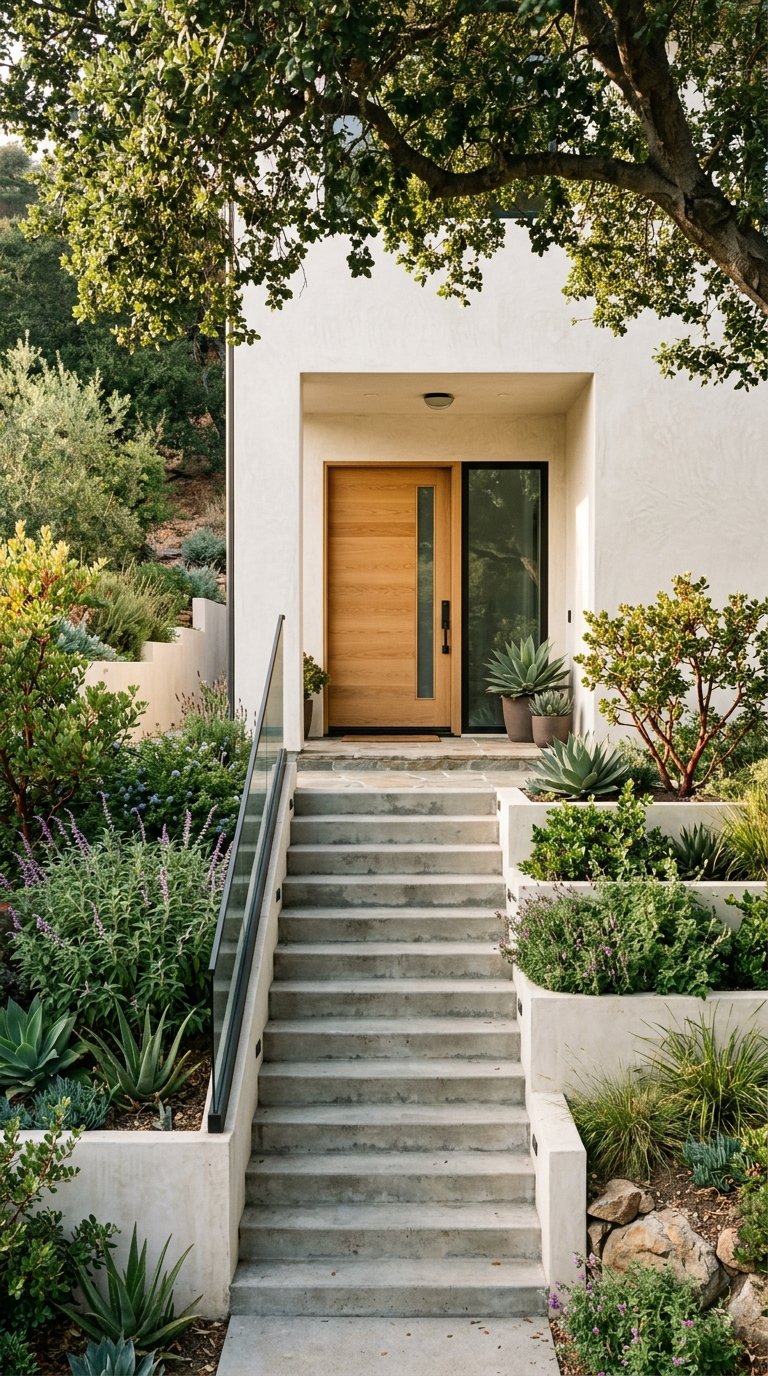
Wondering if you can ditch daily driving in Beachwood Canyon? The honest answer is: maybe, but it depends a lot on where you live in the canyon and how you move through Los Angeles. If you are weighing lifestyle fit as carefully as square footage, this guide will help you understand what a car-light routine really looks like in 90068. Let’s dive in.
What car-light means here
In Beachwood Canyon, car-light is usually more realistic than fully car-free. Some households can handle most daily needs with a mix of walking, DASH, Metro, rideshare, and occasional driving, but that setup works best in the lower canyon.
The neighborhood association describes Beachwood Canyon as stretching from Franklin Avenue up to the Hollywood Sign, with Beachwood Village as the neighborhood heart. That lower section has the strongest cluster of everyday services, which makes it the most practical place to reduce car use.
Lower vs. upper canyon matters most
If you are shopping in Beachwood Canyon, the biggest lifestyle question is not just the ZIP code. It is whether the home sits near Beachwood Village and Franklin, somewhere mid-canyon, or higher on the hill.
Homes near the village and Franklin have the best shot at supporting a car-light routine. Higher up, steep grades, narrower streets, and less comfortable walking conditions can make even short errands feel harder without a car.
Lower canyon is the best fit
Beachwood Village is the clearest daily-use hub in the neighborhood. The BCNA brochure lists services like Beachwood Market, Beachwood Cleaners & Laundry, Beachwood Café, flowers, and Sunset Ranch Hollywood.
That concentration matters because it gives you a few practical errands and stops in one area rather than requiring a separate trip for everything. If your home is close to this cluster, walking for smaller day-to-day needs becomes much more plausible.
Mid-canyon can work with planning
Mid-canyon homes may still support a car-light lifestyle if they have reasonable access to the DASH route and off-street parking. This setup often works best for buyers who are comfortable mixing modes instead of expecting every trip to be simple on foot.
In other words, you may walk downhill, catch DASH, take Metro, and rideshare home when needed. That is manageable for some households, but it takes more planning than lower-canyon living.
Upper canyon is the toughest setup
Upper-canyon homes are the least likely to feel easy without a car. Street conditions and distance from the village make frequent walking and routine pickups less convenient.
If you love the privacy, views, or hillside character of an upper-canyon property, that tradeoff may still be worth it. But from a day-to-day mobility standpoint, these homes are usually more car-dependent.
Walking in Beachwood Canyon
Beachwood Canyon is walkable in a very specific way. It is good for short trips, exercise walks, and getting down to transit, but it is not flat, continuous, or uniformly easy to navigate on foot.
A Los Angeles Times walk profile describes the area as a brisk uphill walk on narrow, winding roads and public staircases. The City of Los Angeles has also described Beachwood Drive as a narrow, substandard street with widths of about 29 to 33 feet, with either no sidewalks or narrow sidewalks with obstacles, plus parking on both sides and congestion from people heading toward the Hollywood Sign.
Expect micro-walkability
The best way to think about this neighborhood is as micro-walkable. You may be able to walk to coffee, a market stop, or transit from some homes, but not every route will feel comfortable for every resident every day.
That matters if your version of walkability means easy sidewalks, flatter blocks, and a wider margin between cars and pedestrians. In Beachwood Canyon, the street itself often does some of the work that sidewalks do in other neighborhoods.
Transit is better than many buyers expect
Transit is one of the main reasons a car-light routine can work here at all. The backbone is the LADOT DASH Beachwood Canyon route, which connects Beachwood/Westshire, Beachwood/Franklin, and Hollywood/Vine.
LADOT lists service every 25 minutes on weekdays, Saturdays, and Sundays. DASH fare is listed at 50 cents cash or 35 cents with TAP, which makes it an affordable connector for local trips out of the canyon.
Hollywood/Vine expands your reach
Once you get to Hollywood/Vine, Metro says the station is served by the B Line and local bus service. Metro lists rail fare at $1.75, including two hours of unlimited transfers in one direction.
The B Line connects key destinations including Hollywood, Universal City/Studio City, North Hollywood, and downtown stations such as Union Station, Civic Center/Grand Park, Pershing Square, and 7th St/Metro Center. For many buyers, that is the difference between “possible without a car” and “not practical at all.”
Best transit destinations from Beachwood
From a lifestyle perspective, Beachwood Canyon is most transit-friendly if your routine points toward:
- Hollywood
- Universal City/Studio City
- North Hollywood
- Downtown Los Angeles
Those trips are more direct because the canyon’s fixed-route connection feeds into Hollywood/Vine and the B Line. If your work or social life centers on those areas, living car-light becomes much easier.
The Westside is a different story
Not every Los Angeles destination is equally convenient from Beachwood Canyon. Westside locations like Beverly Hills, Century City, and Santa Monica are reachable through the broader network, but they are generally less direct.
That means more transfers, more planning, and usually more travel time than trips into Hollywood or downtown. If you regularly commute west, you should be realistic about whether a car-light routine will still feel convenient over time.
Parking and pickups still matter
Even if you plan to drive less, parking is still a major quality-of-life factor in Beachwood Canyon. The City of Los Angeles and BCNA both frame parking, traffic, emergency access, and tourist activity as real neighborhood issues.
BCNA’s brochure specifically calls out parking, emergency access, and tourist traffic as concerns. In practical terms, that means your mobility plan should include more than just “I’ll use rideshare when I need to.”
Why off-street parking matters
For buyers, off-street parking can be important even if you only expect occasional car use. It gives you flexibility for your own vehicle, guests, service providers, and the times when transit is not the best fit.
It can also matter for resale because future buyers may have a different transportation routine than you do. In a hillside area with narrow streets and visitor traffic, parking convenience often carries real value.
Rideshare helps, but should not be the whole plan
Rideshare and deliveries can support a car-light lifestyle, but they are usually better as backup tools than as the only strategy. Narrow streets, congestion, and hillside access can make pickups and drop-offs less seamless than they look on a map.
If you are trying to judge a home’s real-world livability, think beyond distance alone. Look at curb access, street width, and how easy it would actually be for someone to stop there.
What buyers should evaluate first
If living car-light is part of your home search, Beachwood Canyon requires a more detailed checklist than many flatter neighborhoods. Small differences in location can change the experience a lot.
Here are the top things to inspect before you fall in love with a home:
- Distance to Beachwood Village
- Distance to Beachwood/Franklin or other DASH access points
- Off-street parking setup
- Ease of walking the route you would actually use
- Street width and curb access
- Whether the home sits lower, mid-, or upper canyon
A design-forward hillside home can absolutely be the right fit, but the mobility piece needs to match your daily routine. In this part of Los Angeles, lifestyle value is tied closely to geography.
So, can you live car-light in Beachwood Canyon?
Yes, for some households. But the answer is strongest in the lower canyon near Beachwood Village and Franklin, where errands and transit connections are closest together.
For mid-canyon buyers, a car-light setup can still work with planning. For upper-canyon homes, most buyers should expect to rely on a car more often.
If you are choosing between charm, access, and daily convenience, this is one of those neighborhoods where block-by-block analysis matters. The right home is not just the one with the best architecture or views. It is the one that supports the way you actually want to live.
If you want help comparing Beachwood Canyon homes through a lifestyle and location lens, Carolina Kramer can help you weigh walkability, transit access, parking, and long-term value with a local, data-informed approach.
FAQs
Can you live without a car in Beachwood Canyon?
- Sometimes, but most households will still want at least occasional car access. The lower canyon is the most realistic area for a near-car-free routine.
Is lower Beachwood Canyon better for walking?
- Yes. Lower Beachwood Canyon near the village and Franklin has the best cluster of daily services and the easiest access to DASH.
Is Beachwood Canyon transit-friendly for downtown Los Angeles?
- Yes. The DASH route connects to Hollywood/Vine, where the Metro B Line provides direct service to several downtown Los Angeles stations.
Is Beachwood Canyon transit-friendly for the Westside?
- Not as much. Westside destinations are possible through the broader network, but they are generally less direct and require more planning.
What should buyers check in a Beachwood Canyon home?
- Focus first on off-street parking, exact location within the canyon, curb access, and how close the home is to Beachwood Village and DASH stops.