
By Carolina Kramer
Hancock Park is one of Los Angeles' most storied residential neighborhoods, and the real estate market here operates by its own rules. Impressive estates on wide, tree-lined boulevards, Period Revival architecture dating back to the 1920s and 1930s, and one of the city's most tightly enforced Historic Preservation Overlay Zones (HPOZ) make this a market where preparation and local knowledge aren't just helpful; they're essential. Whether you're planning to buy or sell in the 90004 ZIP code, the strategies that work in other parts of Los Angeles don't always translate perfectly here.
If you're researching Hancock Park real estate, this guide will reveal the market dynamics, architectural considerations, and strategic positioning that matter most right now.
Key Takeaways
- The Hancock Park Historic Preservation Overlay Zone (HPOZ) governs exterior renovations and requires review board approval for any street-visible changes.
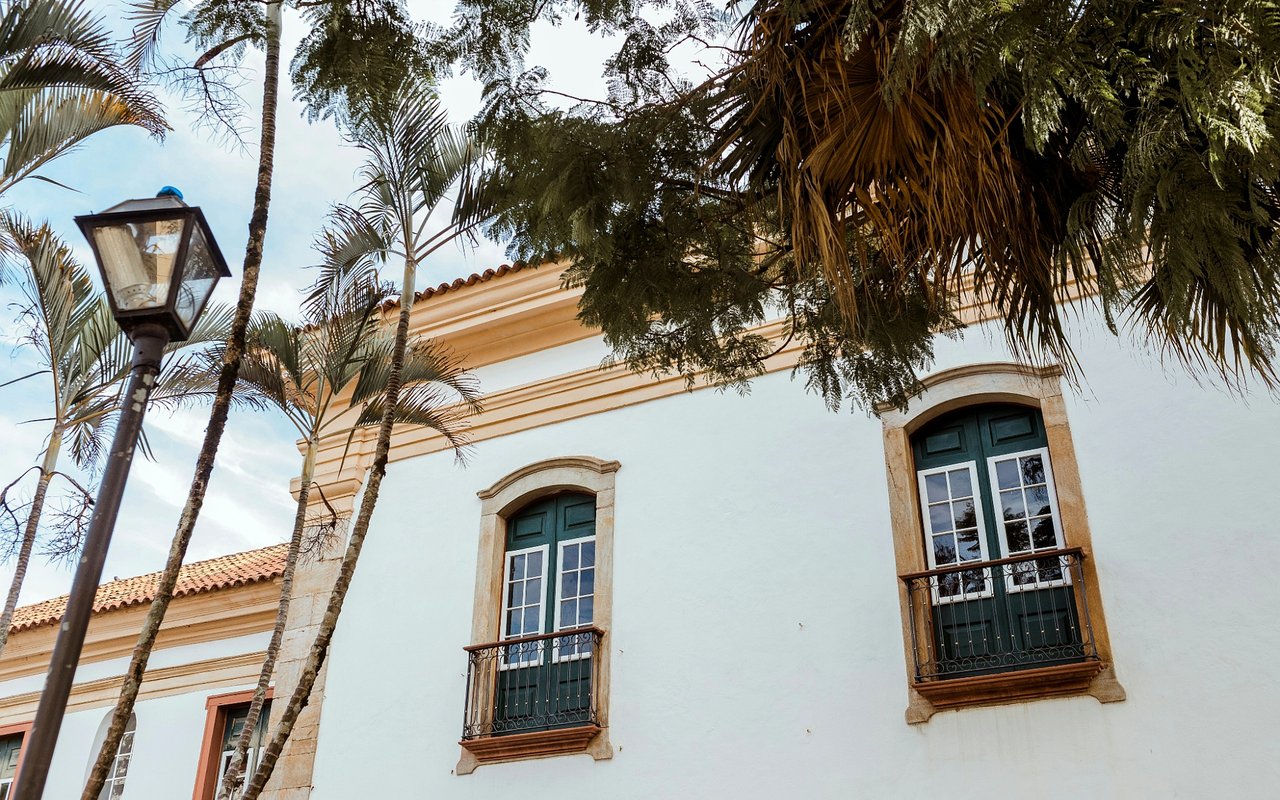
- Architectural styles, including Tudor Revival, Spanish Colonial Revival, and Mediterranean Revival, are protected under the HPOZ and are central to the neighborhood's sustained value.
- Sellers who price precisely and prepare the property thoughtfully perform better here than those who rely on momentum from other LA submarkets.
- The homes here were built primarily between the 1920s and 1940s, so pre-war construction inspections, including sewer lateral, foundation, lead, and asbestos assessments, should be expected in your due diligence process.
Understanding What Makes Hancock Park Different
Spanning roughly 1.2 square miles between Melrose Avenue to the north, Wilshire Boulevard to the south, Rossmore Avenue to the east, and Highland Avenue to the west, Hancock Park was developed in the 1920s by George Allan Hancock. The palace-inspired, single-family, two-story homes, which were designed by prominent architects of that time, including Wallace Neff, Paul R. Williams, and Gordon B. Kaufmann, were built for important members of society in Los Angeles. That legacy of architectural intentionality defines the neighborhood's value today.
Unlike most LA neighborhoods where sellers can renovate freely to maximize curb appeal, Hancock Park operates under strict guidelines managed by the Hancock Park HPOZ Board. The HPOZ, adopted by the Los Angeles City Council in 2008, regulates all exterior alterations visible from the street. Requirements include 50-foot setbacks from the street, side driveways, and rear garages. These are standards that were baked into the original subdivision and remain in force today. Many of the neighborhood's homes have been identified as Historic Contributors, making Hancock Park one of the most intact historic neighborhoods in the country.
For buyers and sellers alike, this preservation framework is not an obstacle; it's a built-in protection mechanism. The HPOZ is a primary reason why Hancock Park real estate has held its value across market cycles where other neighborhoods may have seen steeper corrections.
Unlike most LA neighborhoods where sellers can renovate freely to maximize curb appeal, Hancock Park operates under strict guidelines managed by the Hancock Park HPOZ Board. The HPOZ, adopted by the Los Angeles City Council in 2008, regulates all exterior alterations visible from the street. Requirements include 50-foot setbacks from the street, side driveways, and rear garages. These are standards that were baked into the original subdivision and remain in force today. Many of the neighborhood's homes have been identified as Historic Contributors, making Hancock Park one of the most intact historic neighborhoods in the country.
For buyers and sellers alike, this preservation framework is not an obstacle; it's a built-in protection mechanism. The HPOZ is a primary reason why Hancock Park real estate has held its value across market cycles where other neighborhoods may have seen steeper corrections.
What the HPOZ Means in Practice
- Any exterior renovation visible from the street or sidewalk requires submission to the Hancock Park HPOZ Board for review and approval before permits are issued.
- New additions must be designed in keeping with the property's original Period Revival style; modern materials and contemporary design language are subject to denial.
- The Hancock Park Preservation Plan, available through the LA Department of City Planning, contains the full design guidelines.
- HPOZ clearance timelines should be built into renovation schedules; projects that skip this step may risk stop-work orders and code enforcement action.
Buying in Hancock Park: What You Need to Prioritize
Buying a home in Hancock Park is not like buying in a conventional Los Angeles neighborhood. The due diligence checklist here is longer, and the decisions you make before submitting an offer will shape your ownership experience for years.
The HPOZ framework is the first and most important consideration. Before you fall in love with a property, understand what the home's existing condition means for your renovation ambitions. A Spanish Colonial Revival with deferred maintenance may require extensive work, and that work must pass HPOZ review before it can proceed.
Hire an inspector who has specific experience with pre-war construction. Homes built in the 1920s and 1930s may have original electrical systems in place, galvanized plumbing, or concerning foundation conditions that differ from newer construction. These are not necessarily deal-breakers, but they are critical planning considerations.
Finally, think about the streets themselves. Hancock Park's most prestigious blocks, including South Rossmore Avenue, command a premium. Knowing which streets carry the strongest long-term appreciation history is the kind of specific, block-by-block intelligence that makes a meaningful difference at this price point. We can walk you through that in detail when you're ready to start your search.
The HPOZ framework is the first and most important consideration. Before you fall in love with a property, understand what the home's existing condition means for your renovation ambitions. A Spanish Colonial Revival with deferred maintenance may require extensive work, and that work must pass HPOZ review before it can proceed.
Hire an inspector who has specific experience with pre-war construction. Homes built in the 1920s and 1930s may have original electrical systems in place, galvanized plumbing, or concerning foundation conditions that differ from newer construction. These are not necessarily deal-breakers, but they are critical planning considerations.
Finally, think about the streets themselves. Hancock Park's most prestigious blocks, including South Rossmore Avenue, command a premium. Knowing which streets carry the strongest long-term appreciation history is the kind of specific, block-by-block intelligence that makes a meaningful difference at this price point. We can walk you through that in detail when you're ready to start your search.
What to Evaluate Before Making an Offer
- Review the property's HPOZ status and whether any pending or unresolved HPOZ violations exist in the permit history, which you can research through the LA Department of City Planning.
- Commission a detailed inspection from a contractor experienced with Period Revival construction to avoid surprises with original-era systems.
- Consider access to Larchmont Village, which sits adjacent to Hancock Park and provides convenient retail, dining, and services that add lifestyle value to nearby properties.
Selling a Home in Hancock Park: How to Position Your Property for Maximum Return
Sellers in Hancock Park have a distinct asset: the neighborhood's history and scarcity do a significant portion of the marketing work for them. But that advantage evaporates quickly if the home is mispriced or underprepared. The buyers who are qualified to purchase at this price point are sophisticated and discerning, and they are working with advisors who will identify every pricing inconsistency.
Strategic preparation starts well before listing. Your pre-listing checklist should include a complete review of the home's HPOZ compliance record. Any unpermitted exterior work visible from the street is a liability that will surface in the buyer's due diligence. Addressing it proactively is far less costly than renegotiating mid-escrow.
Beyond this compliance, the homes that perform best in Hancock Park are the ones that have been thoughtfully maintained in a way that honors their original architectural character. A sensitively restored 1928 Tudor Revival will always outperform a heavily modernized version of the same property on this block.
Professional staging, architectural photography, and a marketing narrative that accurately positions your property within its historical context all matter. The buyers of Hancock Park homes are not discovering this neighborhood for the first time; many have been watching it for months or even years. Your listing needs to tell a story that matches what they've been imagining.
Strategic preparation starts well before listing. Your pre-listing checklist should include a complete review of the home's HPOZ compliance record. Any unpermitted exterior work visible from the street is a liability that will surface in the buyer's due diligence. Addressing it proactively is far less costly than renegotiating mid-escrow.
Beyond this compliance, the homes that perform best in Hancock Park are the ones that have been thoughtfully maintained in a way that honors their original architectural character. A sensitively restored 1928 Tudor Revival will always outperform a heavily modernized version of the same property on this block.
Professional staging, architectural photography, and a marketing narrative that accurately positions your property within its historical context all matter. The buyers of Hancock Park homes are not discovering this neighborhood for the first time; many have been watching it for months or even years. Your listing needs to tell a story that matches what they've been imagining.
Pre-Listing Priorities for Hancock Park Sellers
- Obtain an HPOZ compliance review, and resolve any unpermitted street-visible work before listing to protect against buyer renegotiation or deal cancellations.
- Invest in professional restoration and staging that highlights period architectural details rather than masking or modernizing them; buyers in this market pay a premium for authenticity and originality.
- Price based on a rigorous analysis of recent comparable sales on equivalent streets and in equivalent architectural styles; broad Hancock Park averages can obscure meaningful block-by-block variation.
- Plan for a 60- to 90-day marketing timeline and prepare to engage seriously with buyers who request extended inspection periods or additional disclosures around historic materials.
Frequently Asked Questions
What ZIP Codes Cover Hancock Park?
Hancock Park primarily falls within ZIP codes 90004, 90005, 90010, and 90020, with 90004 being the most commonly associated with the core residential neighborhood. When searching for listings or researching comparable sales, using 90004 as your primary filter will return the most relevant results for the traditional Hancock Park boundaries.
How Does the HPOZ Affect a Hancock Park Home Purchase?
The HPOZ affects your ability to renovate the exterior of the home after purchase. Any modification visible from the street or sidewalk requires approval from the Hancock Park HPOZ Board before permits are issued by the City of Los Angeles. Buyers should factor review timelines and potential design constraints into their renovation plans before closing.
Is Hancock Park a Good Long-Term Investment?
Yes, Hancock Park has demonstrated sustained long-term appreciation, supported by the HPOZ, the neighborhood's strict R-1 single-family zoning, and low overall inventory. The neighborhood's protected status limits overdevelopment, which has historically served as a stabilizing force on property values.
Do Hancock Park Homes Require Special Inspections?
Standard California disclosure requirements apply to all residential transactions in Hancock Park. Given the age of most homes in the neighborhood, ranging from the 1920s to the 1940s, additional specialized inspections are strongly advisable, including sewer lateral inspections, lead and asbestos assessments, and foundation evaluations specific to older construction. We will build the right inspection scope before your contingency period begins.
Your Hancock Park Transaction Starts With the Right Guidance
Hancock Park is a neighborhood where the stakes are high, and the details matter in ways that extend well beyond the standard transaction. The HPOZ, the age of the housing stock, the block-by-block variation in value, and the specific buyer needs in this market all require a level of preparation and local fluency that makes a measurable difference in your outcome.
Whether you're stepping into the market as a buyer searching for a historically significant property or as a seller ready to position your estate for the right buyer, I am here to guide you through the full process. Connect with me, Carolina Kramer, to start the conversation, or explore active listings through the home search tool.
Whether you're stepping into the market as a buyer searching for a historically significant property or as a seller ready to position your estate for the right buyer, I am here to guide you through the full process. Connect with me, Carolina Kramer, to start the conversation, or explore active listings through the home search tool.